What’s Covered on This Page
- Why Toothache Pain Can Be a Misleading Signal
- Is Your Toothache an Emergency? Three Common Scenarios
- What Pressure Points and Home Care Can (and Can’t) Do
- How do I know if my toothache is serious or if I can wait it out?
- What’s the biggest mistake people make when tracking a toothache?
- Does cold weather in Lakewood make toothaches worse?
- Can pressing on my hand or jaw relieve tooth pain?
- What does it mean if my tooth stops hurting after it cracked?
- When should I go to the dentist instead of just waiting to see if the pain goes away?
Why Toothache Pain Can Be a Misleading Signal

We had a patient last year who waited almost two weeks with a mild, nagging ache before calling us. She figured it wasn’t bad enough to be a real problem, but by the time we saw her, the tooth had a deep infection working near the nerve. Meanwhile, we’ve seen folks come in over a cracked tooth that hurt like crazy for a day, then went quiet, then flared up again a week later. Pain level alone doesn’t tell you much.
Here’s the thing nobody explains well: nerves inside a tooth don’t always send clear signals. A tooth can be dying slowly and only cause mild soreness, or it can react to something minor, like a bit of food stuck near the gum, and hurt sharply for a short time. Judging urgency by pain alone leaves you guessing.
This is exactly why timing and pattern matter more than intensity. The rule looks at how long pain lasts, how it responds to triggers like hot or cold, and how it changes over days. That gives you a clearer picture than asking yourself whether this is a six or an eight out of ten.
- A quiet, low-grade ache that lasts for days can point to a slow-building infection
- Sharp pain that fades fast after removing hot or cold usually means less urgency
- Pain that lingers more than a few minutes after a trigger often signals nerve involvement
- Pain that comes and goes over a week or more, without getting better on its own, needs a look
According to the American Dental Association, untreated tooth decay can progress without matching pain levels, which is one reason regular checkups catch problems before they hurt at all. We see this mistake all the time here in Lakewood, people waiting because the pain seems manageable, then ending up with a much bigger issue than if they’d called us at week one instead of week three.
So what do you do with this information? You don’t try to diagnose yourself off a symptom checklist, and you don’t just wait it out hoping it resolves on its own. What you can do is track the pattern using something simple, which is exactly what this rule is built for.
Is Your Toothache an Emergency? Three Common Scenarios
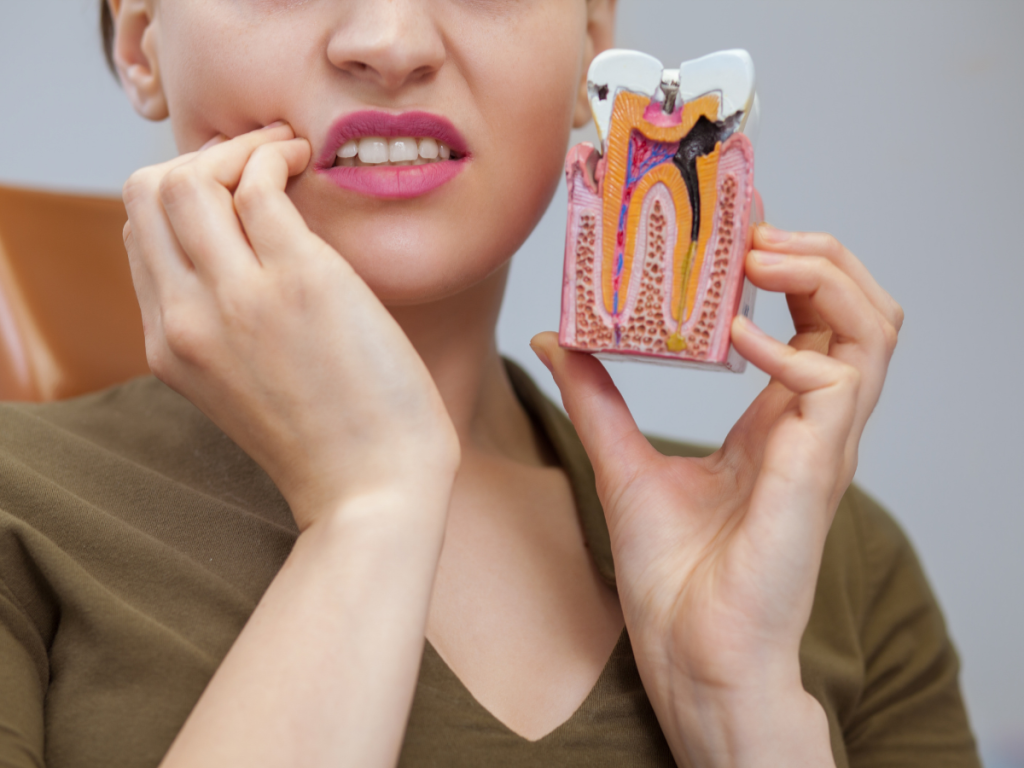
It’s a Tuesday night in Lakewood and your jaw starts throbbing right after dinner. You pull up the rule on your phone and wonder which box you fall into. Let’s walk through three situations we hear about often at our office, so you can see how it plays out in real life.

Scenario one: you bit down on something hard and felt a quick, sharp twinge. It fades within a few minutes and doesn’t come back for the rest of the night. Under the 3-3-3 rule, this often falls into the low-concern zone, especially if it stays mild for three days straight. That said, a tooth that flinched once can still have a small crack you can’t see, so we’d still want to take a look at your next visit.
Scenario two is different. The pain wakes you up at 2am, throbs on its own without you touching anything, and gets worse when you lie flat. Maybe your cheek feels a little puffy by morning. This combination, pain lasting over three hours, happening more than three times, and building over three days, is the pattern that points toward infection or nerve involvement. This is where we stop watching and start acting.
- Mild ache that fades in minutes and stays quiet for a few days (low concern, still worth a checkup)
- Throbbing pain that wakes you at night, worsens lying down, or comes with facial swelling (treat as urgent)
- A cracked or broken tooth with pain that flares when you bite down or breathe cold air (needs same-day evaluation)
Scenario three happens more than people expect. You bite into something and hear a crack. At first it barely hurts, then over the next day it starts aching every time you chew or drink something cold. A broken tooth with lingering pain almost always means the inner nerve is exposed or irritated. If home care and the day-by-day pattern show this building rather than settling, don’t wait it out.
We’ve had patients try to push through nerve pain for a week, hoping it would calm down on its own. It rarely does. If the throbbing points to nerve involvement, our root canal treatment services are built to relieve that kind of deep, persistent pain and save the tooth when possible.
What Pressure Points and Home Care Can (and Can’t) Do

It’s 9 p.m. and you’re sitting at your kitchen table near Belmar, pressing an ice pack to your cheek and rubbing the spot between your thumb and index finger because someone told you that helps. Does it? Sort of. Pressure points and cold compresses can dull the ache for a little while, but they don’t touch what’s causing it.
That’s the honest answer most people don’t want to hear. A toothache is your body telling you something is wrong under the surface, maybe decay, an infection, or a cracked tooth. Home care can quiet the alarm bell for a bit, but it can’t fix the wire that’s tripping it.
So what’s worth trying while you wait for an appointment? Here’s what tends to help, at least a little, and what it can’t do.
- Cold compress on the outside of the cheek: can help reduce swelling and dull throbbing pain, but it won’t stop an infection from spreading.
- Rinsing with warm salt water: may help clean the area and soothe irritated gum tissue, but it doesn’t reach decay inside a tooth.
- Over-the-counter pain relievers: can take the edge off short term, though relying on them for days at a time is usually a sign you need an exam, not more pills.
- Clove oil dabbed on the area: some people find it numbs things briefly, but it’s a temporary cover-up, not a fix.
- Pressure point massage between the thumb and finger: mostly a distraction technique. It may ease general tension, but it has no effect on the tooth itself.
We hear this from patients all the time. They tried everything at home for two, three, sometimes five days before calling us, and by then the pain had turned into something bigger, an abscess, or a cracked tooth that needed an extraction instead of a filling. Waiting doesn’t make the problem smaller. It usually just gives it more time to grow.
The American Dental Association notes that home remedies for tooth pain are meant to be short-term measures, not substitutes for professional evaluation and treatment. That lines up with what we see in our Lakewood office almost every week.
Here’s the part that matters most: the timing. If home care isn’t cutting it, that’s your body’s way of moving the clock forward on you.
Frequently Asked Questions
Common questions about The 3-3-3 Rule for Toothache Explained
How do I know if my toothache is serious or if I can wait it out?
You can often judge urgency by looking at pattern, not just pain level. Track how long the ache lasts, whether it wakes you at night, and if it gets worse over three days. A mild twinge that fades in minutes is usually low concern, but throbbing pain lasting over three hours or happening more than three times often points to infection. If you’re unsure, our page on the 3-3-3 rule for toothache walks through real scenarios to help you decide before you call.
What’s the biggest mistake people make when tracking a toothache?
The biggest mistake is judging urgency by how much something hurts right now. A dull ache can hide a deep infection near the nerve, while sharp pain from a cracked tooth can fade and then flare up again days later. Pain intensity alone doesn’t tell you what’s happening inside the tooth. That’s why timing and pattern matter more. Watching how pain changes over a few days gives you a clearer signal than rating it on a scale of one to ten.
Does cold weather in Lakewood make toothaches worse?
Cold air and cold drinks can make an already sensitive tooth ache more, especially during Lakewood’s colder months. If a tooth reacts sharply to cold and the pain fades within a few minutes, that’s usually a lower-concern pattern. But if cold triggers pain that lingers longer than a few minutes, it often signals nerve involvement. Bundling up won’t fix the underlying issue, so it still helps to have the tooth checked at your next visit.
Can pressing on my hand or jaw relieve tooth pain?
Pressure point massage may dull the ache for a short while, but it doesn’t treat what’s causing the pain. Cold compresses and warm salt water rinses work the same way, they quiet the alarm without fixing decay, an infection, or a crack underneath. If you’re leaning on home remedies for more than a day or two, that’s usually a sign the pain pattern needs a real look rather than more home care.
What does it mean if my tooth stops hurting after it cracked?
A cracked tooth that goes quiet doesn’t always mean it’s healed. Pain can fade for a day or two, then return once the nerve reacts to chewing or cold air. This on-and-off pattern over a week is one of the clearest signs something is still wrong underneath. If you’ve noticed this cycle with a chipped or broken tooth, it’s worth having it checked before the nerve becomes more irritated.
When should I go to the dentist instead of just waiting to see if the pain goes away?
Go in when pain lasts more than three days, wakes you up at night, or comes with swelling in your cheek. Waiting through that pattern usually means the problem is getting worse, not better. We’ve seen patients in Lakewood wait two or three weeks on a mild ache that turned into a deep infection. Same-day evaluation slots are available Monday through Thursday, so call (303) 989-3192 if your pain matches an urgent pattern.
How do I know if my toothache means I need a root canal?
A toothache points toward a root canal when the pain keeps coming back on its own. Throbbing that wakes you up, lingering sensitivity to hot or cold, a darkening tooth, or a small bump on the gum are all signs the nerve is involved. We put together 7 warning signs you need a root canal so you can see how those symptoms show up before things get worse.