

You wake up with another headache. Your jaw aches before you’ve even had your morning coffee. By the time you’re sitting in traffic on I-70 heading to work, you’re already clenching your teeth without realizing it.
Maybe you’ve tried the nightguard from King Soopers on 38th Avenue. Maybe you’ve told yourself the clicking in your jaw will go away on its own. But here you are, months later, still dealing with the same pain that makes it hard to enjoy dinner at Mestizo’s or focus during afternoon meetings.
If you live in Wheat Ridge and you’re searching for TMJ treatment Wheat Ridge Lakewood CO, you don’t need to drive across the metro. Our Lakewood office is about 5 miles south—an 8 to 10 minute drive down Wadsworth Boulevard or Kipling Street. We help Wheat Ridge residents get to the bottom of jaw pain, headaches, and grinding with a whole-health approach that looks beyond quick fixes.
Same-week appointments are available. Your jaw pain doesn’t need to be something you just live with.
TMJ Symptoms Often Hide Behind Other Problems
You might think those morning headaches come from too much screen time working from home. Or that the soreness in your neck is just from a bad pillow. Many Wheat Ridge residents spend their days at computers or commuting on I-70, and they assume tension is just part of the job.
But when your jaw clicks every time you yawn, or you wake up with tooth pain even though your dentist says there’s no cavity, something else is going on.
TMJ disorders show up in ways that don’t always point back to your jaw. You might notice pain near your ears. Tension that runs down your neck and into your shoulders. A dull ache that sits behind your eyes. Some people grind their teeth at night without knowing it until a partner mentions the sound.
The problem with these symptoms is that they’re easy to misdiagnose. You can spend months treating headaches with over-the-counter medication when the real issue is your jaw joint. An accurate diagnosis prevents you from chasing the wrong solution while the underlying problem gets worse.
We start by listening to what you’re experiencing. Then we look at how your jaw moves, check for wear patterns on your teeth, and use 3D imaging to see what’s happening inside the joint itself.
Custom Oral Appliances Address the Root Cause
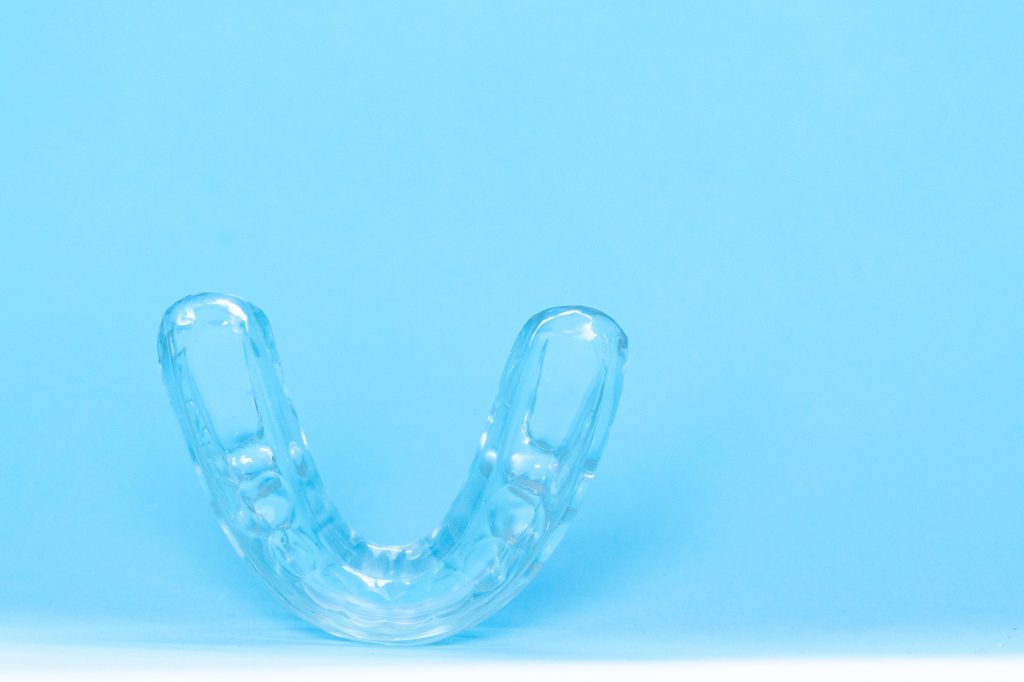
The nightguard you picked up at the drugstore might protect your teeth from grinding, but it doesn’t fix why you’re grinding in the first place. Generic guards are one-size-fits-all. They don’t account for your specific bite, your jaw alignment, or what’s actually causing the tension.
Custom oral appliances work differently. We take precise measurements of your mouth and design an appliance that repositions your jaw to reduce strain on the joint. This isn’t about covering up symptoms. It’s about changing the mechanics that create the problem.
For busy Wheat Ridge families juggling kids’ sports at Anderson Park and work schedules, the appeal is simple: you wear the appliance at night, and it does the work while you sleep. No surgery. No ongoing appointments that eat into your day. Just a solution that fits into your life.
Some appliances focus on preventing grinding. Others gently guide your jaw into a position that takes pressure off the joint and surrounding muscles. We’ll talk through which approach makes sense for what you’re dealing with.
The difference between a custom appliance and something off the shelf is the difference between a solution that actually works and one that just feels like you’re doing something.
What to Expect at Your First TMJ Evaluation
Your first visit starts with a conversation. We want to know when the pain started, what makes it better or worse, and how it’s affecting your daily life. Many Wheat Ridge patients schedule these appointments during lunch breaks since the drive down Wadsworth is quick enough to fit into an hour.
We’ll examine how your jaw moves when you open and close your mouth. We check for clicking, popping, or limited range of motion. Then we look at your teeth to see if there are wear patterns that tell us you’ve been grinding or clenching.
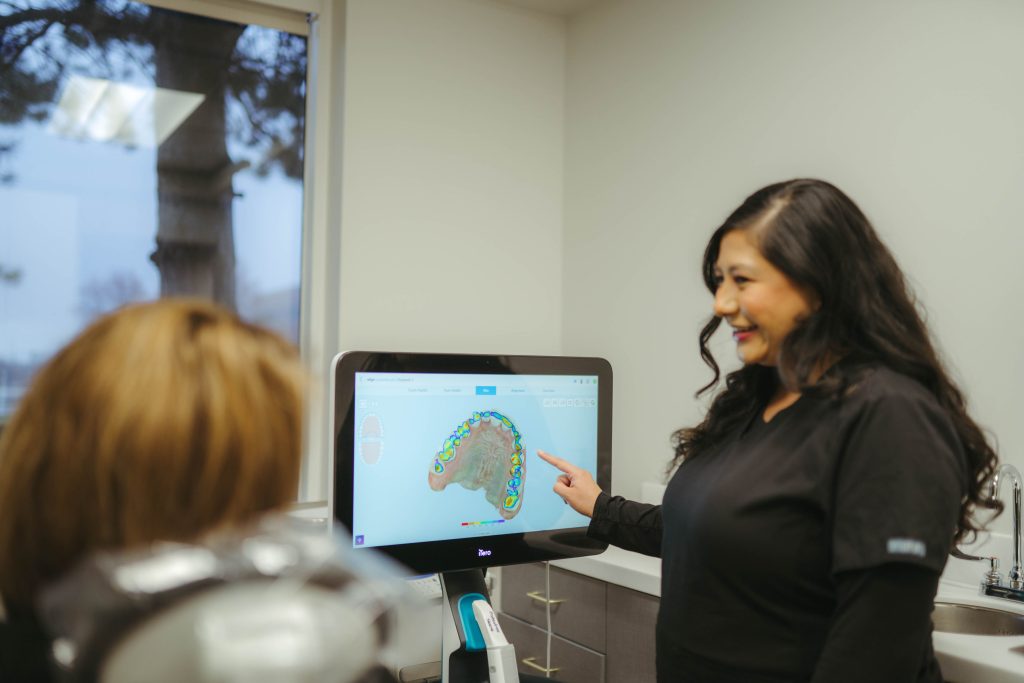
Our 3D imaging shows us what’s happening inside the joint itself. This technology captures details that regular X-rays miss—like how the bones are positioned, whether there’s inflammation, or if the disc inside the joint has shifted.
Once we have the full picture, we’ll walk you through a treatment plan. You’ll know what we’re addressing, why we’re recommending certain approaches, and what timeline to expect. No pressure to decide on the spot. This is about giving you the information you need to make the right choice.
Most patients leave that first visit feeling relieved just to understand what’s been causing their symptoms. Sometimes that clarity alone helps reduce the stress that’s been making things worse.
Our Whole-Health Approach Connects Jaw, Sleep, and Overall Wellness
TMJ problems don’t exist in isolation. Your jaw, your airway, and your sleep quality are all connected. When we treat TMJ disorders, we’re looking at the whole system—not just the joint that hurts.
Many Wheat Ridge residents who hike or bike the Clear Creek Trail notice their jaw tension affects how they breathe during exercise. That’s not a coincidence. If your jaw alignment is off, it can restrict your airway. If your airway is restricted, you might be mouth-breathing or clenching to compensate.
We evaluate how you breathe, how you sleep, and whether there are signs of sleep apnea contributing to your jaw pain. For some patients, treating TMJ means also addressing sleep-disordered breathing. For others, it’s about reducing the muscle tension that builds up from stress.
This is where shopping at Natural Grocers and prioritizing holistic care aligns with how we practice. We’re not just handing you a nightguard and sending you on your way. We’re looking at nutrition, sleep habits, and breathing patterns to give you lasting relief instead of temporary fixes.
If a home sleep study makes sense, we can arrange that. If myofunctional therapy would help retrain the muscles around your jaw, we’ll discuss it. The goal is to improve your overall function—so you sleep better, breathe easier, and stop living with constant discomfort.
Results Wheat Ridge Patients Can Feel
Relief from TMJ pain doesn’t happen overnight, but it does happen. Most patients notice improvement within the first few weeks of wearing a custom appliance. The morning headaches start to fade. The jaw clicking becomes less frequent. You can get through a meal at Getright’s or Mestizo’s on 38th Avenue without your jaw locking up halfway through.
For some people, the change is dramatic. For others, it’s more gradual. What matters is that the relief builds over time instead of just masking the pain temporarily.
Success looks different depending on what brought you in. If you came because of grinding, success might mean waking up without tooth pain and your partner sleeping through the night without hearing you clench. If you came for headaches, it might mean going from three tension headaches a week to one every few weeks.
Maintenance is part of the process. You’ll need to wear your appliance consistently. We’ll check in periodically to make sure everything is working as it should. But the investment pays off when you’re no longer planning your day around when the pain will hit.
The patients who do best are the ones who stick with the treatment plan and communicate when something isn’t working. We adjust as needed. This isn’t one-size-fits-all care.
Getting to Our Lakewood Office from Wheat Ridge
From most parts of Wheat Ridge, you’re looking at an 8 to 10 minute drive to our Lakewood office at 7373 W Jefferson Ave Suite 104.
From central Wheat Ridge: Head south on Wadsworth Boulevard. Continue past W 44th Avenue and W 38th Avenue. Turn right on W Jefferson Avenue. Our office is on the right side.
From the Ridge at 38 area: Take Kipling Street south toward W Jefferson Avenue. Turn left on W Jefferson. We’re located just past the intersection.
From near Anderson Park or the Carnation Festival grounds: Wadsworth Boulevard is your most direct route south into Lakewood.
Free parking is available in our building lot. No hunting for street parking like you would in parts of downtown Wheat Ridge. And if you’re running other errands, we’re close to the Belmar area, so you can combine trips.
For patients without vehicles, RTD bus route 76 connects Wheat Ridge to Lakewood. It’s not the fastest option, but it works if you don’t drive.
The short distance matters when you’re dealing with jaw pain that makes long drives uncomfortable. Specialized TMJ care is worth the trip, and this one won’t wear you out before you even arrive.
FAQs
How long does it take to drive from Wheat Ridge to your Lakewood office?
About 8 to 10 minutes via Wadsworth Boulevard or Kipling Street. Our office sits just south of W 6th Avenue near the Belmar area, so it’s a quick straight shot from most Wheat Ridge neighborhoods.
Is there parking available at your Lakewood location?
Yes. Free parking is in the building lot at 7373 W Jefferson Ave Suite 104. You won’t deal with the street parking challenges you’d find in some parts of Wheat Ridge.
Can I schedule a TMJ appointment during my lunch break if I work in Wheat Ridge?
Yes. The short drive makes lunch-hour appointments practical. We keep evaluations efficient and respect your time, so you can get back to work without feeling rushed.
Do you treat patients who live in Arvada or near the G Line?
Absolutely. We serve the entire Jefferson County area, including Wheat Ridge, Arvada, Golden, and Edgewater. If you can get to Lakewood, we can help.
What if my headaches are worse during the Carnation Festival weekend or other busy times?
Stress and jaw clenching often spike during busy periods or community events. We can discuss strategies and appliances to manage flare-ups when you know stress levels will be higher than usual.
Is your TMJ treatment different from what I’d get at a Wheat Ridge dental office?
Our whole-health approach includes 3D imaging, sleep evaluation, and custom appliances designed specifically for your bite. This isn’t a generic nightguard. We’re addressing the root cause and how it connects to your sleep, breathing, and overall function.