
You shop at Natural Grocers, choose organic produce, and read every ingredient label—but are your healthy food choices actually protecting your family’s teeth?
Here’s something that happened to me recently that might sound familiar. Last week at Whole Foods, I watched a mom in the checkout line carefully scrutinizing a box of “organic fruit snacks” for her kids. She was doing everything right—checking ingredients, avoiding artificial colors, making sure they were gluten-free. But what she probably didn’t know? Those “healthy” fruit snacks were basically sugar bombs that would coat her children’s teeth for hours after eating them.
As a health-conscious Lakewood parent, you already understand that nutrition impacts overall wellness. You’ve probably made the connection between what you eat and how you feel, your energy levels, maybe even your sleep quality. But the specific connection between what your family eats and their oral health often remains unclear—or gets lost in the shuffle of managing work schedules, soccer practices, and trying to get dinner on the table by 6:30.
Here’s the thing: those smoothies you’re making every morning? Depending on what’s in them, they could be strengthening your kids’ teeth or slowly eroding the enamel. That “healthy” granola you grab for breakfast? It might be sitting on your molars, feeding the exact bacteria you’re trying to avoid. And those vitamin gummies you give your family? Well, we need to talk about those.
From the hidden sugars in “healthy” snacks to the tooth-strengthening nutrients many Colorado families are missing, nutritional counseling for oral health provides the personalized guidance you need. It’s not about perfection or cutting out every food group—it’s about understanding which everyday choices make the biggest difference for your family’s dental health.
In this guide, you’ll discover:
- Which foods naturally strengthen teeth and gums (some might surprise you)
- How sugar truly impacts dental health beyond the obvious cavities
- Personalized nutrition strategies that actually work for busy Lakewood families
- How holistic dental care aligns with your active Colorado lifestyle
- The specific nutrients most Colorado families are deficient in—and why it matters for oral health
Whether you’re concerned about your children’s cavity rate, want to optimize your family’s preventive care, or simply seek a more natural approach to dental health that fits with how you’re already living, understanding the nutrition-oral health connection changes everything.
Because here’s what most people don’t realize: your mouth isn’t separate from the rest of your body. What nourishes you nourishes your teeth. What inflames your system inflames your gums. And what you eat today directly affects your dental health tomorrow.
Can Changing My Diet Really Help with Gum Disease?

This is probably one of the most common questions we hear from patients who are dealing with bleeding gums or early periodontal issues. And honestly? The answer surprises most people.
Yes, dietary changes can significantly improve gum disease, though professional treatment remains essential. Think of it this way: if you had a cut on your hand, you’d clean it (that’s the professional treatment part), but you’d also make sure you’re eating enough protein and vitamin C to help it heal faster. Your gums work the same way.
A nutrition-focused approach works by addressing the underlying inflammation and giving your body what it needs to repair and strengthen gum tissue.
How Diet Supports Gum Health:
Reduces inflammation: Omega-3 fatty acids from fish, walnuts, and flaxseed decrease gum swelling. If you’ve ever noticed your gums looking puffy or feeling tender, chronic inflammation is usually the culprit. Omega-3s work like a natural anti-inflammatory, calming down that immune response that’s making your gums angry.
Strengthens tissue: Vitamin C from citrus, berries, and leafy greens builds collagen for healthy gum structure. Here’s something most people don’t know—your gums are made of collagen, the same stuff that keeps your skin firm. Without enough vitamin C, your gum tissue literally can’t rebuild itself properly. That’s actually why sailors used to get scurvy and lose their teeth on long voyages.
Fights bacteria: Antioxidants in green tea and crunchy vegetables stimulate protective saliva. Your saliva is like your mouth’s natural cleaning system, and certain foods kick it into high gear. Crunchy vegetables also physically scrub your teeth while you eat them—nature’s toothbrush.
Boosts immunity: Whole foods support your body’s natural defense against oral infections. When you’re eating processed foods and sugar all day, your immune system is constantly dealing with inflammation. Give it real, nutrient-dense food instead, and it can focus on fighting the bacteria in your mouth.
Foods to Limit:
Let’s be real about what’s working against you:
- Sugary and processed foods that feed harmful bacteria—and we’re not just talking about candy here. We’re talking about those “healthy” breakfast bars, flavored yogurts, and even some protein shakes that are loaded with added sugars.
- Refined carbohydrates that increase inflammation—white bread, crackers, pasta. They break down into sugar almost immediately in your mouth, and then that sugar sits there feeding bacteria.
- Acidic beverages that erode enamel and irritate gums—yes, including that La Croix you’re sipping all day. Even though it doesn’t have sugar, the carbonation creates acid that can wear down enamel over time.
Here’s What You Need to Know:
Diet complements professional dental care but cannot replace it. If you have active gum disease, you need professional cleanings and periodontal treatment. There’s no superfood that’s going to reverse significant bone loss or eliminate deep periodontal pockets.
But—and this is a big but—if you’re getting professional care and not addressing the nutritional side, you’re fighting an uphill battle. It’s like trying to build muscle while eating nothing but junk food. Sure, you might make some progress from the workouts, but you’re making it way harder than it needs to be.
Regular cleanings and periodontal treatment are necessary for managing gum disease effectively. But the right nutrition makes that treatment more effective, helps you heal faster between appointments, and reduces your risk of the disease coming back.
What is Nutritional Counseling for Oral Health?
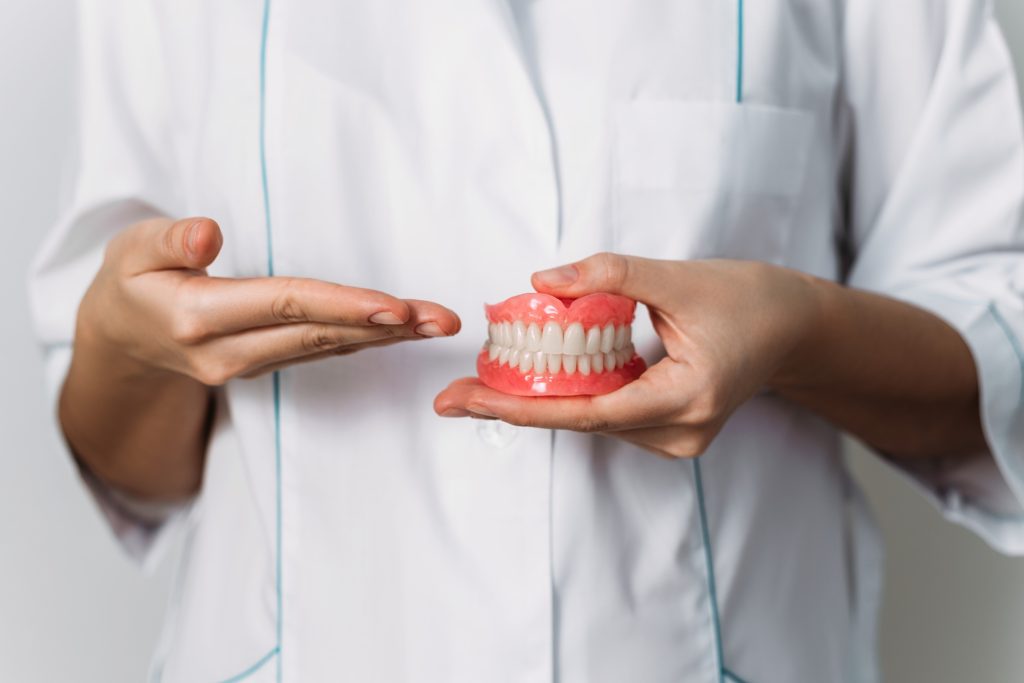
So you might be wondering—what exactly happens during nutritional counseling at a dental office? Because let’s be honest, when most of us think about going to the dentist, we’re thinking about cleanings, fillings, maybe whitening. Not sitting down to talk about what we ate for breakfast.
Nutritional counseling for oral health is a personalized assessment of how your current eating habits are affecting your teeth and gums, followed by practical strategies to improve your oral health through better nutrition. It’s not a generic handout telling you to “eat less sugar” (though, yeah, that’s part of it). It’s a conversation about your actual life—what you’re eating, when you’re eating it, why you’re making those choices, and how small shifts can make a big difference.
Here’s How It Actually Works:
During a nutritional counseling session, we look at:
Your current eating patterns. Not to judge them—seriously, we’re not the food police—but to understand them. Do you skip breakfast and then crash mid-morning with a vending machine snack? Are you sipping coffee all day? Do your kids eat a lot of dried fruit because you think it’s healthier than candy? (Spoiler: dried fruit sticks to teeth just like candy does.)
Your specific dental concerns. Someone dealing with cavities needs different nutritional guidance than someone with gum disease or enamel erosion. A teenager getting braces has different needs than a 45-year-old dealing with recession and sensitivity.
Your lifestyle and schedule. Because what good is advice if it doesn’t fit into your real life? If you’re rushing out the door at 6:45 AM with two kids and a travel mug of coffee, we’re not going to suggest you prepare an elaborate breakfast. We’re going to figure out what actually works for you.
Your family’s health goals. Maybe you’re already working on reducing processed foods, or you’re trying to go more plant-based, or you’re dealing with food allergies. We build on what you’re already doing rather than asking you to overhaul everything.
What Makes Dental Nutritional Counseling Different?

You might be thinking, “Can’t I just see a regular nutritionist?” You could, and nutritionists are great for overall health. But here’s what makes dental-focused nutritional counseling different:
We’re looking at the specific impact foods have on your oral microbiome—the bacteria living in your mouth. Not all “healthy” foods are created equal when it comes to dental health. Some foods that are nutritious overall can still be problematic for teeth.
We understand the timing and frequency of eating, not just what you eat. It’s not just about sugar content—it’s about how long that food sits on your teeth, how often you’re exposing your teeth to acid or sugar throughout the day, and what you’re eating in combination.
We see the direct results in your mouth. When you come back for your next cleaning, we can literally see whether the changes you made are working. Less plaque buildup, healthier gum tissue, fewer cavities—the feedback is immediate and visible.
The Foods That Actually Strengthen Your Teeth
Alright, let’s talk about the good stuff—the foods that are genuinely working in your favor. Because nutrition for oral health isn’t just about avoiding the bad stuff. It’s about actively choosing foods that make your teeth and gums stronger.
Calcium-Rich Foods: The Foundation
You probably already know calcium is good for teeth, but here’s why: your teeth are made of calcium, and your body is constantly pulling calcium from your teeth and bones to use elsewhere. If you’re not getting enough calcium from food, your body takes it from your teeth, which weakens them over time.
Best sources for busy families:
- Plain Greek yogurt (way more protein than regular yogurt, less sugar)
- Cheese (yes, cheese is actually great for your teeth—it neutralizes acid and provides calcium)
- Milk in your coffee or smoothies
- Leafy greens like kale and collard greens (for our plant-based families)
- Canned sardines or salmon with bones (I know, I know, but they’re incredibly nutrient-dense)
Here’s something most people don’t think about: you need vitamin D to actually absorb that calcium. Which brings us to…
Vitamin D: The Calcium’s Best Friend
Living in Colorado, we get a lot of sunshine, which is great for vitamin D production. But between October and April, the sun isn’t strong enough at our latitude for our bodies to make vitamin D from sun exposure. Add in the fact that many of us work indoors, wear sunscreen (as we should), and you’ve got a situation where a lot of Lakewood families are deficient.
How to get enough vitamin D:
- Fatty fish like salmon, mackerel, and trout
- Egg yolks (from pastured eggs if possible—they have more vitamin D)
- Fortified milk or plant-based milk
- Mushrooms that have been exposed to UV light
- Consider supplementation, especially in winter months (talk to your healthcare provider about testing your levels)
Phosphorus: The Unsung Hero
Nobody talks about phosphorus, but it’s actually one of the most abundant minerals in your teeth. It works together with calcium to build and repair tooth enamel.
Where to find it:
- Meat, poultry, and fish
- Eggs
- Dairy products
- Nuts and seeds
- Beans and lentils
The good news? Most people get enough phosphorus from a varied diet. The issue is usually calcium and vitamin D, not phosphorus.
Vitamin C: For Your Gums

We talked about this earlier with gum disease, but it’s worth repeating—vitamin C is absolutely critical for healthy gum tissue. Your gums are made of collagen, and you can’t produce collagen without vitamin C.
Best sources that aren’t just oranges:
- Red bell peppers (actually have more vitamin C than oranges)
- Strawberries and kiwi
- Broccoli and Brussels sprouts
- Tomatoes
- Leafy greens
One thing to watch out with citrus fruits—they’re great for vitamin C, but they’re also acidic. Don’t brush your teeth immediately after eating citrus. Wait at least 30 minutes, or rinse with water first.
Crunchy Vegetables: Nature’s Toothbrush
Raw vegetables like carrots, celery, and bell peppers do something really cool—they actually help clean your teeth while you eat them. The crunchy texture scrubs your teeth, and chewing them stimulates saliva production, which neutralizes acid and washes away food particles.
Plus, they’re full of water and fiber, which means they’re filling without being calorie-dense. If your kids are snacking constantly (because when are kids not hungry?), raw vegetables with hummus or ranch dip are way better for their teeth than crackers or pretzels.
Green Tea: The Surprising Superfood for Oral Health
Green tea contains compounds called catechins that are antibacterial and anti-inflammatory. Studies have shown that people who regularly drink green tea have healthier gums and less periodontal disease.
The catch? Don’t add sugar or honey. And if you’re drinking it hot, let it cool down a bit before sipping—extremely hot beverages can irritate oral tissues over time.
The Hidden Dental Dangers in “Healthy” Foods
This is where things get tricky, and honestly, where most of our Lakewood patients are surprised. Because you’re doing everything right—reading labels, buying organic, avoiding artificial ingredients—but some of those “healthy” choices are still causing problems for your teeth.
The Dried Fruit Dilemma
Dried fruit seems like the perfect healthy snack, right? Natural, full of nutrients, no added junk. And yeah, it’s better than gummy bears. But from a dental perspective, dried fruit is surprisingly problematic.
Here’s why: when you remove the water from fruit, you’re left with concentrated sugar that’s incredibly sticky. Dried apricots, raisins, dried mango—they stick to the grooves in your teeth and sit there for hours. That prolonged sugar exposure is exactly what cavity-causing bacteria love.
What to do instead:
- Choose fresh fruit when possible
- If you’re eating dried fruit, do it with a meal rather than as a standalone snack
- Rinse your mouth with water afterward
- Save dried fruit for times when you can brush your teeth within 30 minutes
One mom told me recently that she’d been giving her daughter a small box of raisins every day as an after-school snack for two years. “They’re natural! No added sugar!” she said. And she was right—no added sugar. But her daughter had five cavities at her next checkup. The raisins weren’t the only factor, but they definitely weren’t helping.
Smoothies: The Double-Edged Sword
I love smoothies. They’re convenient, you can pack in tons of nutrients, and they’re a great way to get kids to eat vegetables they’d otherwise refuse. But from a dental standpoint, smoothies present some challenges.
The problems:
- They often contain a lot of fruit (and therefore sugar), even if it’s natural sugar
- The blending process breaks down fiber, making the sugar more readily available
- They’re liquid, which means the sugar coats every surface of your teeth
- People often sip them slowly over 30-60 minutes, which means prolonged acid exposure
How to make smoothies more tooth-friendly:
- Add more vegetables than fruit (spinach and frozen cauliflower don’t change the taste much)
- Include protein powder or Greek yogurt to balance the sugar
- Add healthy fats like avocado or nut butter—they slow sugar absorption
- Drink it with a meal rather than alone
- Use a straw positioned toward the back of your mouth
- Drink it in one sitting instead of sipping for an hour
- Rinse your mouth with water when you’re done
Here’s a weird tip that actually works: if you’re going to have a smoothie, have it with breakfast that includes protein and fat. A smoothie with eggs and whole-grain toast? Your blood sugar stays more stable, and you’re not bathing your teeth in fruit sugar on an empty stomach.
Kombucha and Apple Cider Vinegar
Both of these have exploded in popularity in the wellness community, and they do have some legitimate health benefits. But they’re both highly acidic, and acid is enamel’s enemy.
Kombucha has a pH of around 2.5-3.5 (for reference, battery acid is 1, and water is 7). That’s similar to soda. And unlike soda, which most people drink quickly, people often sip kombucha slowly throughout the day.
Apple cider vinegar is even worse—pH of about 2-3. There are people doing ACV shots every morning for gut health, or sipping diluted ACV water throughout the day. And their dentist is seeing the results in eroded enamel.
If you’re committed to these:
- Drink them with meals, not on their own
- Use a straw
- Rinse your mouth with plain water afterward
- Wait 30 minutes before brushing
- Limit frequency—once a day max, not multiple times
- For ACV, always dilute it significantly (like 1-2 tablespoons in 8oz of water minimum)
Sports Drinks and Electrolyte Beverages
Your kids play soccer, you do weekend hikes up Green Mountain, maybe you’re training for a half-marathon. Sports drinks seem practical for staying hydrated during activities. But most of them are basically sugar water with some electrolytes added.
A typical 20oz sports drink has 34 grams of sugar and a pH of around 3. So you’re getting both sugar to feed bacteria and acid to erode enamel.
Better options for active families:
- Water with a pinch of sea salt and a squeeze of lemon (homemade electrolyte drink)
- Coconut water (check labels—some brands add sugar)
- Water with electrolyte tablets (many brands have zero-sugar options)
- For serious athletes doing intense workouts over 90 minutes, sports drinks might be necessary—but for a typical hour of soccer practice? Water is fine.
The Granola Bar Trap
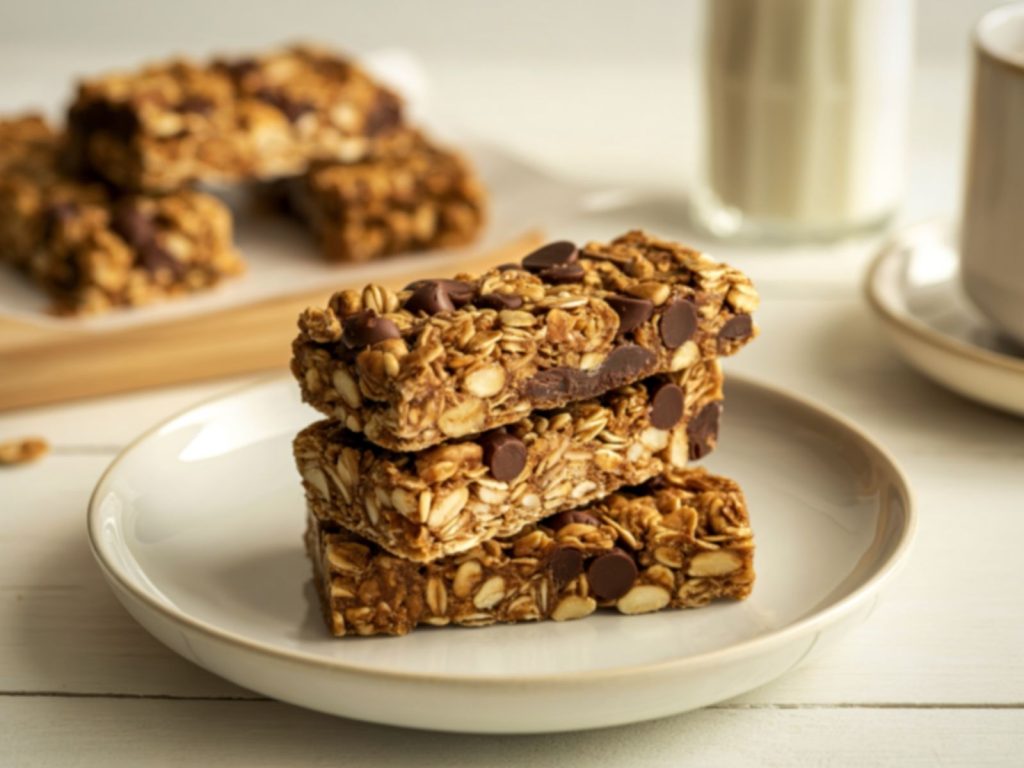
Walk down the “healthy snacks” aisle at Natural Grocers, and you’ll see hundreds of granola bars, protein bars, and energy bars marketed as nutritious on-the-go options. And nutritionally, some of them are fine. But dentally? Many are disasters.
They’re often:
- High in added sugars (even the “natural” ones)
- Sticky and chewy, which means they cling to teeth
- Full of dried fruit (see above)
- Eaten as snacks between meals, which means your teeth don’t get a break
Check the sugar content on your favorite bars. You might be shocked. Some “healthy” bars have 15-20 grams of sugar—that’s almost as much as a candy bar.
What to look for:
- Under 8 grams of sugar per serving
- Nuts and seeds as primary ingredients
- Minimal dried fruit
- Eaten with a meal rather than alone
Or better yet, make your own. You can control exactly what goes in them, and it’s usually cheaper too.
Vitamin Gummies
Oh, the vitamin gummies. Every parent’s secret weapon for getting kids to take their vitamins. And honestly? We get it. But here’s the problem: they’re basically candy with vitamins added.
They stick to teeth, they’re full of sugar (because that’s what makes them taste good), and kids chew them slowly. Some families are giving their kids multiple gummies per day—a multivitamin gummy, a vitamin D gummy, an omega-3 gummy—and all that adds up to a significant sugar exposure.
Better alternatives:
- Liquid vitamins mixed into smoothies or juice
- Chewable tablets that dissolve quickly (not gummies)
- Regular vitamins for older kids and adults
- If you must use gummies, give them with meals and have kids rinse with water after
How Eating Patterns Impact Your Oral Health (Not Just What You Eat)

Here’s something most people don’t realize: when you eat is almost as important as what you eat when it comes to dental health. This is where we get into the science of how your mouth actually works throughout the day.
The Acid Cycle
Every time you eat or drink anything other than water, the bacteria in your mouth produce acid. That acid lowers the pH in your mouth and starts softening your enamel. This is called an “acid attack,” and it lasts about 20-30 minutes after you finish eating.
During that time, your enamel is vulnerable. Then your saliva kicks in, neutralizes the acid, and starts remineralizing (rehardening) your enamel. This whole process takes about 30-60 minutes.
Here’s the problem: if you’re constantly snacking or sipping on anything other than water, you’re putting your teeth in a perpetual state of acid attack. Your saliva never gets a chance to do its job and repair the damage.
The Snacking Situation
I had a patient recently who couldn’t figure out why she kept getting cavities. She ate pretty healthy—no soda, limited sweets, lots of vegetables. But when we sat down and went through her actual eating pattern, here’s what a typical day looked like:
- 7 AM: Coffee with a splash of milk
- 8 AM: Breakfast (oatmeal with berries)
- 9:30 AM: Another coffee
- 10:30 AM: Handful of almonds at her desk
- 12:30 PM: Lunch
- 2 PM: Apple with peanut butter
- 3:30 PM: Piece of dark chocolate
- 4 PM: Latte on the way home
- 6 PM: Dinner
- 8 PM: Herbal tea with honey
Do you see the problem? She was eating or drinking something every 1-2 hours from 7 AM to 8 PM. Her teeth were under constant acid attack for 13 hours straight. It didn’t matter that most of her choices were healthy—the frequency was the issue.
The better approach:
- Eat three meals a day, with snacks if needed
- Try to limit eating and drinking (other than water) to specific times
- Allow at least 2-3 hours between eating occasions when possible
- Don’t sip on anything other than water throughout the day
The Bedtime Snack Problem
Eating or drinking anything other than water right before bed is particularly problematic. Here’s why: while you’re sleeping, your saliva production drops dramatically. Saliva is your mouth’s natural defense system—it neutralizes acid, washes away food particles, and contains minerals that repair enamel.
When you go to bed with sugar or acid residue on your teeth, it sits there all night with minimal saliva to protect against it. This is why dentists are always harping on brushing before bed.
If you or your kids need a bedtime snack:
- Make it at least 30 minutes before brushing teeth
- Choose something low in sugar (cheese and crackers, plain yogurt, vegetables)
- Drink water afterward
- Never skip brushing before bed
The Coffee and Tea Constant Sipping
This one hits close to home for a lot of us. You brew a pot of coffee in the morning and sip on it for two hours while you answer emails. Or you have a cup of tea at your desk that you refill and sip on all afternoon.
Even black coffee and unsweetened tea are acidic (pH around 4.5-5). When you sip on them for hours, you’re keeping your mouth in an acidic state the whole time.
What to do instead:
- Drink your coffee or tea in one sitting, ideally with a meal
- If you need something to sip on all morning, drink water
- If you need the caffeine hit spread out, drink your coffee, rinse with water, and have a second cup later
- Use a straw for iced coffee or tea
One of our hygienists switches to sparkling water after her morning coffee. She says it gives her something flavorful to sip on without the acid exposure. Just watch the sparkling water intake too—it’s more acidic than still water.
Nutritional Strategies for Common Dental Problems
Different dental issues require different nutritional approaches. Let’s break down what actually helps for the most common problems we see in our Lakewood families.
For Cavity Prevention (Especially in Kids)
If your kids are getting cavities despite regular brushing, nutrition might be the missing piece. Cavities happen when bacteria feed on sugar and produce acid that breaks down enamel. So the strategy is twofold: strengthen the enamel and reduce the bacteria’s food supply.
What works:
- Increase calcium and vitamin D intake significantly—think cheese sticks, yogurt parfaits, fortified plant milk
- Add xylitol to your arsenal (it’s a natural sweetener that actually prevents cavity-causing bacteria from sticking to teeth)
- Make sure they’re eating enough healthy fats—your body needs fat to absorb vitamins A, D, E, and K
- Reduce frequency of eating more than quantity—three meals and two snacks is better than constant grazing
- End meals with cheese or nuts instead of fruit—they help neutralize acid
One thing that made a huge difference for several of our families: switching from fruit snacks and granola bars to cheese and crackers or vegetables with hummus for after-school snacks. Same convenience, completely different impact on teeth.
For Gum Disease and Inflammation
If you’re dealing with bleeding gums, recession, or periodontal disease, your nutrition strategy needs to focus on reducing inflammation and supporting tissue repair.
Priority nutrients:
- Omega-3 fatty acids—aim for fatty fish twice a week, or consider a high-quality fish oil supplement
- Vitamin C from whole foods—berries, bell peppers, broccoli (not just orange juice, which is sugary)
- Coenzyme Q10—found in organ meats, fatty fish, and spinach (also available as a supplement)
- Probiotics—fermented foods like sauerkraut, kimchi, and plain yogurt support oral microbiome health
Foods to reduce:
- Refined carbohydrates and sugar (they increase systemic inflammation)
- Highly processed foods with seed oils (pro-inflammatory)
- Alcohol (dries out your mouth and reduces saliva production)
Research shows that anti-inflammatory eating patterns like the Mediterranean diet show significant benefits for periodontal health. Think lots of vegetables, olive oil, fish, and whole grains.
For Enamel Erosion and Sensitivity
If your teeth are sensitive to cold or you’re noticing your enamel wearing down, acid exposure is usually the culprit. This could be from diet, but it can also be from acid reflux or frequent vomiting (if you’re pregnant and dealing with morning sickness, we see you).
What helps:
- Reduce acidic beverages—especially soda, citrus juices, kombucha, and even sparkling water if you’re drinking it constantly
- Never brush immediately after consuming something acidic (wait 30-60 minutes)
- Rinse with water or milk after acidic foods
- Chew sugar-free gum with xylitol after meals to stimulate saliva
- Increase calcium-rich foods—cheese is particularly good because it also neutralizes acid
If you have acid reflux:
- Avoid eating within 3 hours of bedtime
- Limit trigger foods (coffee, alcohol, spicy foods, chocolate)
- Sleep with your head elevated
- Talk to your doctor—chronic acid reflux damages more than just your teeth
For Dry Mouth
Dry mouth might not seem like a big deal, but saliva is your mouth’s natural defense system. Without enough of it, you’re at much higher risk for cavities, gum disease, and infections.
Common causes:
- Medications (especially blood pressure meds, antidepressants, and antihistamines)
- Mouth breathing during sleep
- Dehydration
- Autoimmune conditions
Nutritional strategies:
- Stay hydrated—sounds obvious, but most people aren’t drinking enough water
- Eat water-rich foods—cucumbers, watermelon, celery, oranges
- Avoid caffeine and alcohol, which are diuretic
- Suck on sugar-free candy or chew sugar-free gum to stimulate saliva
- Eat foods that require chewing—they stimulate saliva production
Colorado’s dry climate makes this worse, especially in winter when we’re running heaters constantly. A humidifier in your bedroom can help too.
Creating a Tooth-Friendly Meal Plan for Your Family
Okay, so you’ve got all this information—now what? How do you actually implement this in real life when you’re trying to get everyone fed, out the door, and to their various activities on time?
Let’s build a practical day of eating that’s genuinely tooth-friendly without being complicated or restrictive.
Breakfast Options That Work
The worst thing you can do is skip breakfast and then crash mid-morning with a pastry or sugary coffee drink. Start your day with protein and healthy fat to stabilize blood sugar and reduce cravings.
Quick options:
- Greek yogurt with nuts and a drizzle of honey (the protein and fat slow down the sugar absorption)
- Eggs with whole-grain toast and avocado
- Smoothie with protein powder, spinach, frozen berries, and nut butter (drink it with breakfast, not alone)
- Overnight oats with chia seeds, nuts, and fresh fruit
- Leftovers from dinner (who says you can’t have dinner food for breakfast?)
What you’re avoiding: sugary cereal, pastries, fruit juice, granola with dried fruit. Save those for occasional treats, not everyday breakfast.
Lunch Ideas for Work and School
Packed lunches are actually easier to make tooth-friendly than you might think. The key is including protein, vegetables, and finishing with something that helps clean teeth.
Tooth-friendly packed lunches:
- Turkey and cheese roll-ups with vegetables and hummus, apple slices, water
- Leftover chicken with quinoa and roasted vegetables, cheese cubes, sparkling water
- Peanut butter and banana sandwich on whole-grain bread, carrots with ranch, milk
- Pasta salad with chicken and lots of vegetables, string cheese, water
Notice a pattern? We’re including cheese in almost every lunch. Cheese naturally neutralizes acid in your mouth and provides calcium. It’s like a tiny tooth-strengthening snack.
What to avoid packing:
- Fruit leather or dried fruit as the main snack
- Juice boxes (even 100% juice—it’s just sugar without the fiber)
- Sticky granola bars
- Gummy anything (including those vitamin gummies)
Snack Strategy That Actually Works
Here’s the truth about snacks: kids need them (their stomachs are small and they’re growing), but adults mostly snack out of habit or boredom, not true hunger. Either way, if you’re going to snack, make it count.
Best snacks for teeth:
- Cheese and whole-grain crackers
- Vegetables with guacamole or hummus
- Nuts and seeds (watch out with braces though)
- Plain yogurt with a small amount of berries
- Hard-boiled eggs
- Apple slices with nut butter
Snack timing matters:
- Morning snack if needed: 2-3 hours after breakfast
- Afternoon snack: 2-3 hours after lunch
- That’s it—we don’t need to be eating every hour
Dinner: The Easiest Meal for Dental Health
Dinner is actually the easiest meal to make tooth-friendly because you’re usually eating a balanced meal with protein, vegetables, and some kind of starch. Just a few tweaks can make it even better.
The tooth-friendly dinner formula:
- Protein (meat, fish, beans, tofu)
- At least one cooked vegetable
- At least one raw vegetable or salad
- Whole grain or starchy vegetable
- End with cheese or nuts
That last point—ending meals with cheese or nuts—is a simple trick that makes a big difference. Cheese neutralizes acid and provides calcium. Nuts stimulate saliva and help clean teeth. It’s like a mini protective treatment after every meal.
What About Dessert?
Look, we’re not going to tell you to never have dessert. Life is meant to be enjoyed. But timing matters, and some desserts are better choices than others.
Better dessert choices:
- Dark chocolate (melts and clears from teeth quickly)
- Ice cream (eaten quickly, not lingered over)
- Fruit and cheese plate
- Yogurt parfait with minimal sweetener
Desserts that are harder on teeth:
- Anything sticky (caramels, taffy, gummy candy)
- Anything sour (sour gummies are the worst—sugar plus acid)
- Hard candies that you suck on for extended periods
The timing trick: If you’re going to have dessert, have it right after dinner, not as a separate snack two hours later. That way you’re not creating an additional acid attack—you’re just extending the one from dinner. Then brush your teeth 30-60 minutes after finishing.
Practical Tips for Lakewood Families
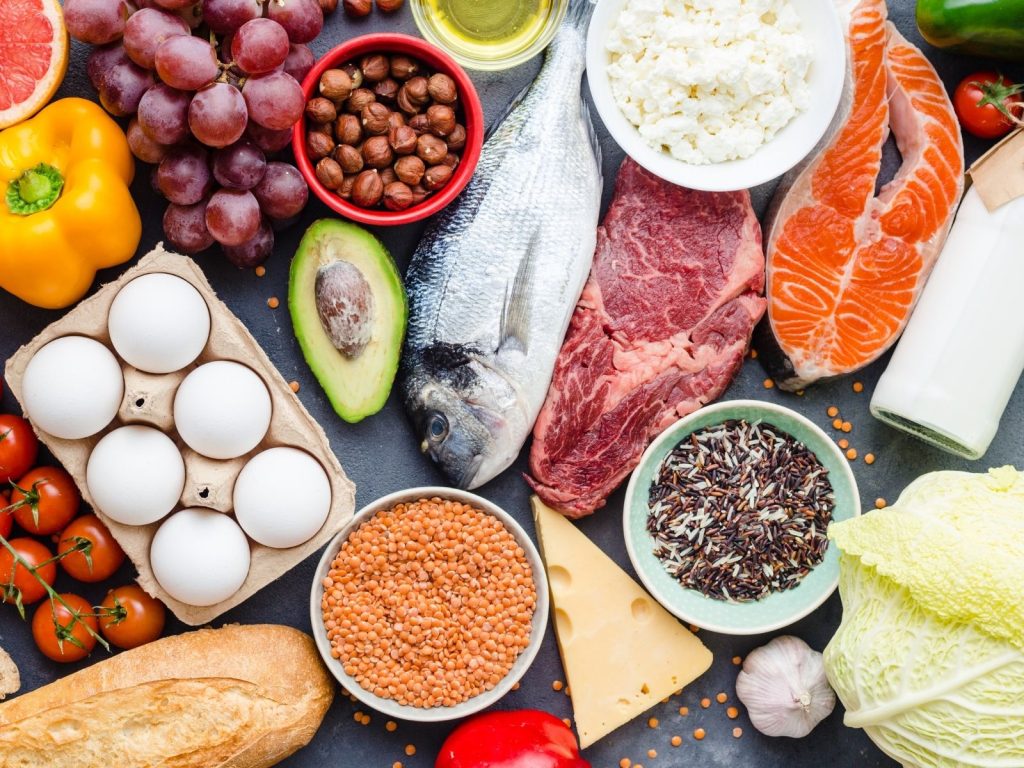
Living in Lakewood gives us some unique advantages and challenges when it comes to nutrition and oral health. Let’s talk about how to make this work in your actual daily life.
Shopping Locally for Tooth-Healthy Foods
You probably already shop at some of these places, so let’s talk about what to look for:
At Natural Grocers or Whole Foods:
- Focus on the perimeter—that’s where the whole foods are
- Bulk nuts and seeds for snacking
- High-quality dairy or fortified plant milks
- Wild-caught fish when possible
- Organic vegetables (especially the ones your kids will actually eat raw)
At the Lakewood Farmer’s Market (summer months):
- Stock up on raw vegetables for snacking
- Get fresh herbs to make meals more flavorful without adding sugar
- Local honey (minimal amounts—it’s still sugar, but at least it has some beneficial properties)
At Costco (because, realistically):
- Bulk cheese (string cheese, blocks for snacking)
- Wild-caught salmon
- Organic eggs
- Nuts in bulk
- Plain Greek yogurt in large containers
Meal Prep That Works for Busy Schedules
You don’t need to do hours of meal prep every Sunday. Just prep the things that make weeknights easier and healthier.
Sunday prep that makes a difference:
- Wash and cut vegetables for the week (store in containers with damp paper towels)
- Hard-boil a dozen eggs
- Cook a big batch of protein (grilled chicken, ground beef, pulled pork)
- Portion out nuts and cheese into grab-and-go containers
- Make overnight oats for weekday breakfasts
This takes maybe an hour on Sunday, and it means you have healthy options ready when everyone’s hungry and tired at 6 PM on Wednesday.
Handling Social Situations and Treats
Your kids are going to birthday parties. Halloween exists. There are treats at school. You’re not going to avoid sugar completely, and honestly, trying to be too restrictive often backfires.
What actually works:
- Let them have the treat at the party or event
- Make sure they drink water afterward
- Brush teeth as soon as you get home
- Don’t keep a lot of candy or treats at home for constant access
- Make everyday eating really solid so occasional treats aren’t a big deal
One strategy several of our families use: after Halloween, let kids pick their 10-20 favorite pieces, and trade the rest for a toy or special outing. They get to enjoy some candy without having bags of it around for months.
Making It Work with Picky Eaters
If you have a kid who only eats five foods, and none of them are vegetables, you’re not alone. Probably half of our patients are dealing with some level of picky eating.
Strategies that help:
- Offer the same healthy foods repeatedly without pressure—it can take 15-20 exposures before a kid accepts a new food
- Make smoothies with hidden vegetables (frozen cauliflower and spinach really don’t change the taste)
- Involve kids in meal planning and preparation
- Focus on calcium-rich foods they will eat (many picky eaters like cheese and yogurt)
- Consider a high-quality multivitamin to fill in nutritional gaps
- Don’t make food a battle—it creates negative associations
And remember: developmental stages affect eating. Your great eater at age 3 might become incredibly picky at age 5, then come back around by age 8. It’s normal.
How Nutritional Counseling Fits Into Your Holistic Dental Care
If you’re reading this article, you’re probably already thinking about health in a holistic way. You understand that oral health isn’t separate from overall health—it’s connected to everything else happening in your body.
Nutritional counseling is one piece of a comprehensive approach to dental care that includes:
Regular preventive care: Cleanings, exams, early detection of problems before they become big issues. Learn more about preventive dentistry and why it matters.
Home care education: Understanding proper brushing and flossing techniques, choosing the right products, creating habits that actually stick.
Addressing underlying issues: Things like sleep apnea, TMJ dysfunction, and airway problems that affect oral health. Many of our patients don’t realize their dental issues are connected to sleep problems until we talk about it.
Minimally invasive treatment: When treatment is needed, taking the most conservative approach that preserves as much natural tooth structure as possible.
Patient education and empowerment: Giving you the knowledge and tools to make informed decisions about your family’s oral health.
This is what comprehensive family dentistry looks like—it’s not just fixing problems as they come up, but understanding the root causes and addressing them.
Why Work with a Dentist for Nutritional Counseling?
You might be wondering why you’d get nutritional counseling from a dentist rather than a nutritionist or dietitian. Both are valuable, but here’s what makes dental nutritional counseling unique:
We see the direct results in your mouth. When you make dietary changes, we can literally measure the impact at your next cleaning—less plaque, healthier gums, changes in decay rates. The feedback is immediate and objective.
We understand the oral microbiome. Not all “healthy” foods are created equal when it comes to oral health. We can help you navigate which healthy choices also support dental health specifically.
We can connect oral symptoms to nutritional deficiencies. Certain patterns in your mouth—like angular cheilitis, burning tongue, or rapidly progressing gum disease—can indicate nutritional deficiencies that need addressing.
We consider your specific dental situation. Someone with braces, someone recovering from gum disease, someone with enamel erosion—they all need different nutritional guidance.
We integrate it with your overall dental treatment plan. Nutritional changes work synergistically with your other dental care, making everything more effective.
Getting Started with Nutritional Counseling in Lakewood
If you’re ready to take a more comprehensive approach to your family’s oral health, here’s what getting started looks like:
What to Expect at Your First Nutritional Counseling Session
We start with a conversation about your current eating patterns, health goals, and any specific dental concerns you’re experiencing. This isn’t about judgment—it’s about understanding where you’re starting from and what’s realistic for your family.
We’ll discuss:
- Your typical daily eating schedule and food choices
- Your children’s eating patterns and any challenges you’re facing
- Specific dental problems you want to address
- Your lifestyle, schedule, and constraints
- What you’ve already tried and what worked or didn’t work
- Your budget and access to different foods
Then we’ll create a personalized plan that includes:
- Specific foods to increase for your dental goals
- Foods to limit or time differently
- Practical strategies for your actual schedule
- Tips for implementation with your family
- Follow-up timeline to assess progress
How to Prepare for Your Appointment
To get the most out of nutritional counseling, it helps to come prepared:
Before your appointment:
- Keep a food diary for 3-5 days (include everything you and your family eat and drink, and when)
- Take photos of meals if that’s easier than writing everything down
- Note any patterns you’ve already noticed (like specific foods that seem to bother your teeth)
- Write down your questions and concerns
- Think about what would be realistic changes for your family
The more information we have, the more personalized and helpful your plan will be.
Making It Work Long-Term
Here’s the thing about nutritional changes: they only work if you can maintain them. That’s why we focus on small, sustainable shifts rather than complete overhauls.
What sustainable change looks like:
- Adding one new tooth-healthy snack option per week
- Swapping one problematic food for a better alternative
- Adjusting timing of eating rather than completely eliminating foods you enjoy
- Finding versions of foods your family already likes that are better for teeth
- Building on what’s already working rather than starting from scratch
We’ll check in at your regular dental appointments to see how things are going, what’s working, and what needs adjustment. Your plan should evolve as your family’s needs change.
Frequently Asked Questions About Nutritional Counseling for Oral Health
What’s the difference between regular nutritional advice and dental nutritional counseling?
Dental nutritional counseling specifically focuses on how food affects your teeth, gums, and oral microbiome. While a general nutritionist looks at overall health outcomes, we’re examining the specific timing, frequency, pH levels, and texture of foods as they relate to cavity formation, gum disease, enamel erosion, and oral bacteria. We also see the direct results in your mouth at follow-up appointments, which provides immediate feedback on what’s working.
How long does it take to see improvements in oral health from dietary changes?
Most patients notice initial improvements within 4-8 weeks—things like reduced gum bleeding, less sensitivity, or a cleaner feeling between brushing. Significant changes like reduced cavity formation or improved gum tissue health typically take 3-6 months to become apparent. The timeline depends on your starting point, the consistency of changes, and your specific dental concerns.
Can nutritional counseling replace regular dental cleanings?
Absolutely not. Nutritional counseling is a complement to professional dental care, not a replacement. You still need regular cleanings to remove hardened plaque (tartar) that can’t be removed through diet or brushing alone. Think of nutrition as creating a better environment in your mouth that makes professional treatments more effective and helps you maintain results between visits.
Is nutritional counseling covered by dental insurance?
Coverage varies significantly by insurance plan. Some plans include nutritional counseling as part of preventive care, while others don’t cover it at all. We recommend calling your insurance provider to ask specifically about “dental nutritional counseling” or “dietary counseling for oral health.” Even if it’s not covered, many families find the investment worthwhile because of the reduction in future dental treatment needs.
What if my child has special dietary needs or food allergies?
We absolutely work with food allergies, sensitivities, and dietary restrictions. Whether your family is dealing with gluten intolerance, dairy allergies, vegetarian or vegan diets, or other constraints, we develop recommendations that work within those parameters. The principles of tooth-friendly eating can be adapted to virtually any dietary framework.
Can adults benefit from nutritional counseling or is it mainly for kids?
Adults benefit just as much as children, sometimes more. Adults often have specific concerns like gum disease, enamel erosion from years of acidic beverage consumption, dry mouth from medications, or recession. Adult eating patterns tend to be more established and harder to change, which is exactly why personalized guidance makes such a difference. We also see adults who want to address issues before they become serious problems.
How do I know if my family needs nutritional counseling?
Consider nutritional counseling if your family is experiencing: recurring cavities despite good oral hygiene, gum disease or bleeding gums, enamel erosion or sensitivity, dry mouth issues, or if you’re already health-conscious and want to optimize your approach to dental health. It’s also valuable if you’re making dietary changes for other health reasons and want to make sure those changes support oral health too.
What’s the connection between gut health and oral health?
The oral microbiome and gut microbiome are directly connected—your mouth is the beginning of your digestive system. Imbalances in oral bacteria can affect gut health and vice versa. Probiotic-rich foods that support gut health often benefit oral health too. Additionally, chronic inflammation in the mouth has been linked to systemic inflammation throughout the body, including the digestive system.
Are natural sweeteners like honey better for teeth than sugar?
Unfortunately, from a dental perspective, natural sweeteners like honey, maple syrup, and agave still feed cavity-causing bacteria just like regular sugar does. The bacteria in your mouth can’t tell the difference between natural and refined sugars. The exception is xylitol, a sugar alcohol that actually prevents bacteria from sticking to teeth. Honey does have antibacterial properties, but it’s still sugar and should be consumed in moderation and with proper oral hygiene.
How does stress affect oral health and can nutrition help?
Stress affects oral health in multiple ways: it can lead to teeth grinding, reduced saliva production, increased inflammation, and sometimes stress eating of sugary comfort foods. While nutrition can’t eliminate stress, eating anti-inflammatory foods rich in omega-3s, B vitamins, and magnesium can help your body manage stress better and reduce its impact on your oral tissues. We often address stress-related eating patterns in nutritional counseling.
Your Next Steps Toward Better Oral Health
Understanding the connection between nutrition and oral health changes everything. You’re not just treating symptoms—you’re addressing underlying causes and giving your body what it needs to maintain strong teeth and healthy gums naturally.
For Lakewood families who are already health-conscious, making these targeted nutritional adjustments is a natural extension of how you’re already living. You’re already reading labels, choosing whole foods, and thinking about what you’re putting in your body. Now you’re adding the specific lens of oral health to those decisions.
The families we work with who see the biggest improvements are the ones who:
- Take a gradual approach rather than trying to change everything at once
- Focus on adding good things rather than just restricting bad things
- Get the whole family involved so healthy choices become the norm
- Stay consistent with the basics (regular meals, limiting snacking, drinking water)
- Work with us as partners in their oral health journey
Whether you’re dealing with cavities, gum disease, enamel erosion, or you simply want to optimize your family’s preventive care, nutritional counseling provides the personalized guidance you need to make lasting improvements.
If you’re interested in learning more about how nutritional counseling can benefit your family, or if you’d like to schedule a consultation to discuss your specific concerns, we’d love to hear from you. You can reach our Lakewood office at (303) 985-5556, or visit our contact page to send us a message.
Your investment in understanding the nutrition-oral health connection today pays dividends for years to come—in fewer dental problems, lower treatment costs, and the confidence that comes from knowing you’re giving your family the foundation for lasting oral health.