What’s Covered on This Page
- Pressure vs. Pain: What You Really Feel During the Procedure
- Numbing and Comfort Options That Shape Your Experience
- What Recovery Feels Like in the Days After
- How should I prepare for a gum lift appointment?
- Is a gum lift the same as treatment for gum disease?
- Does cold Lakewood weather affect gum lift healing?
- How long does numbness last after a gum lift?
- What if I feel sharp pain during the procedure?
- How long until gum soreness fully goes away?
Need Is a Gum Lift Painful? What to Expect in 2026?
Book Your Visit or Schedule Your Visit
Pressure vs. Pain: What You Really Feel During the Procedure
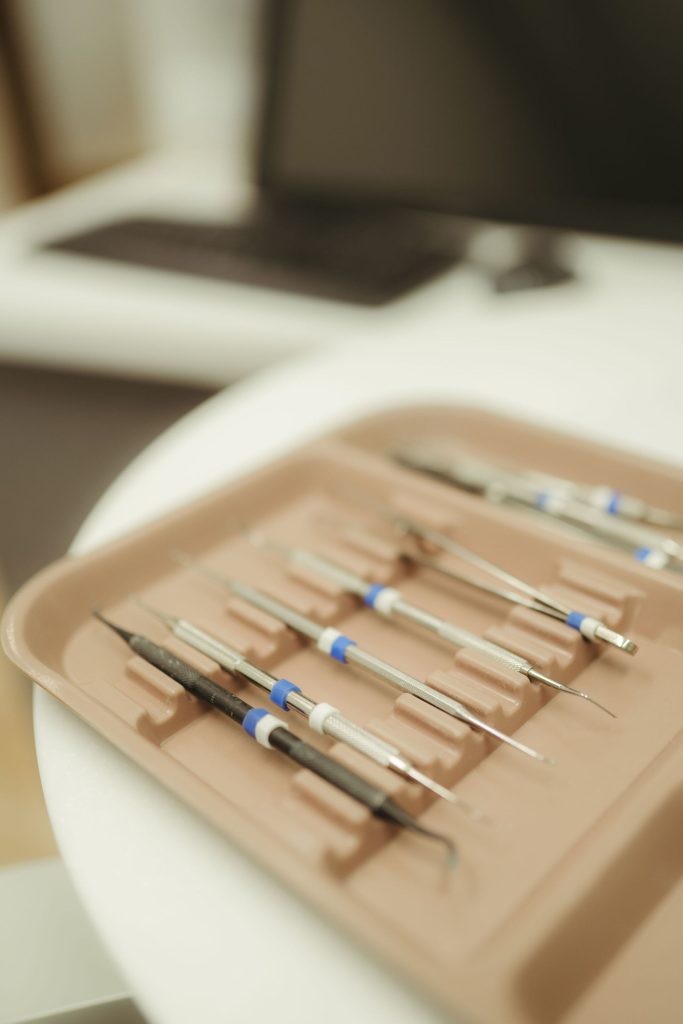
You’re sitting in the chair, and the numbing shot just happened. Your lip feels heavy, your tongue feels strange, and now you’re bracing for the part you’ve been dreading. Here’s what we hear most after gum lifting appointments at our Lakewood office: it wasn’t what patients expected. Not because it felt like nothing, but because what they felt was pressure, tugging, and a strange buzzing sound, not pain.
Once the numbing takes hold, your brain still registers touch and movement. It just stops reading pain signals the same way. So when the instrument moves across your gum line, you might notice a push or a slight vibration. That’s normal, and it doesn’t mean the numbing failed. It means your nerves are doing exactly what they’re supposed to do, sensing pressure while blocking sharp pain.
Some patients wonder if they’ll feel the shaping happen in real time. You might notice small tugs as tissue is reshaped, especially near the front teeth where gums tend to be thinner. It’s not a stabbing sensation, more like someone gently pulling at fabric. If anything ever feels sharp instead of dull, speak up right away, we can add more numbing before continuing.
- Pressure or light tugging near the gum line, especially around front teeth
- A buzzing or vibrating sensation from the instrument, not a stinging one
- Occasional taste of blood, which is normal during tissue reshaping
- Numb lips or cheek that can last an hour or two after treatment
- Mild soreness that starts once the numbing fades, usually hours later
So why does soreness show up later instead of during the appointment? Numbing medication blocks pain signals while it’s active, but it doesn’t pause the healing happening underneath. Once it wears off, your gums begin their repair work, and that’s when you’ll likely notice tenderness, similar to minor gum irritation. Over-the-counter pain relief and cold foods usually help most patients feel comfortable again within a day or two.
We also offer nitrous oxide sedation for patients who feel nervous about pressure sensations or the sound of dental tools. It won’t put you to sleep, it just takes the edge off so the whole visit feels calmer. Paired with our noise-canceling headphones and light-blocking glasses, a lot of patients tell us they relaxed more than they expected to.
Numbing and Comfort Options That Shape Your Experience

Picture this: you’re in the chair, hands a little clammy, and the dentist picks up a small syringe. That moment is usually the part people dread most, not the gum lift itself. So what actually happens before the shaping begins?
A gum lift starts with local numbing. The gum tissue gets a topical gel first, so the injection itself barely registers for most people. Once you’re numb, you shouldn’t feel sharp pain, though some pressure or tugging can still come through. That pressure is normal, it’s your nerves picking up movement rather than sending pain signals.
Some patients ask about nitrous oxide sedation, also known as laughing gas, and we do offer it for anyone who wants to take the edge off their nerves. It won’t put you to sleep, but it can soften that racing-heart feeling a lot of people bring in with them from the waiting room.
Comfort isn’t only about needles and gas, though. We’ve found the smaller details often make a bigger difference than people expect.
- Noise-canceling headphones to block the sound of instruments
- Light-blocking glasses so overhead lights don’t feel harsh
- Netflix or TV playing during the appointment to keep your mind elsewhere
- A patient-centered approach where we check in and adjust pace as we go
We had a patient last year who hadn’t been in a dental chair in almost a decade, gum lift included, and the headphones alone got her through the appointment without a single white-knuckle moment.
After the numbing wears off, most people describe the area as tender rather than painful, something like biting your cheek. Many find over-the-counter pain relief is enough for the first day or two. Everyone heals a little differently, though, and your gum tissue, your bite, and your daily habits all play a part.
If you want the full breakdown of the process, from consultation through healing, our main service page walks through it step by step so you know what to expect before you ever book.
One more thing worth saying: you’re allowed to ask questions mid-appointment. Raise your hand, and we stop. That’s simply how we do things at our Lakewood office, and it tends to calm nerves faster than anything else we offer.
What Recovery Feels Like in the Days After

Picture this: you’re home from your appointment, sitting on the couch with an ice pack against your cheek. That first evening usually feels the most tender, mostly a dull, achy pressure rather than sharp pain. Most patients tell us the swelling bothers them more than the discomfort itself.
Day two and three are when swelling tends to peak. Your gums might look puffier than expected, which can feel a little alarming if nobody warned you ahead of time. It’s normal, and it settles down on its own within a few days for most people.
- Mild swelling and tenderness for two to four days, often less by day five
- Some gum sensitivity to hot or cold foods for about a week
- Slight bleeding when brushing near the treated area during the first few days
- A whitish or yellowish film over the gums as they heal, which is normal tissue healing
- Return to normal brushing and flossing habits within one to two weeks, once we confirm you’re ready
Eating takes a little planning that first week. Soft foods are your friend here, things like eggs, mashed potatoes, and soup. Skip anything crunchy, spicy, or very hot for a few days, since those can irritate healing tissue.
We tell our Lakewood patients to think through their week a bit before coming in. If you work Monday through Thursday and want a quieter recovery, scheduling for a Thursday or Friday gives you the weekend to rest before heading back to work. Most people feel comfortable enough to return to normal routines within a couple of days, but everyone heals a little differently.
One patient we saw recently described her recovery as milder than expected, mostly just remembering to eat soft foods and let her morning coffee cool a bit. That’s a common story, not the exception.
Follow-up care matters more than people think. We check your healing progress and make sure everything is tracking the way it should. If you’re weighing whether the recovery timing fits your schedule, our cosmetic gum lifting page walks through what a typical treatment plan looks like from start to finish, so you’re not left guessing.
Frequently Asked Questions
Common questions about Is a Gum Lift Painful? What to Expect in 2026
How should I prepare for a gum lift appointment?
You can prepare by eating a light meal beforehand, since numbing can make chewing tricky right after. Avoid caffeine if you feel nervous, as it can heighten that racing-heart feeling some patients notice in the waiting room. Bring headphones or ask your Lakewood dentist about noise-canceling ones offered in-office. If you take pain relievers regularly, mention this at check-in. Arriving a few minutes early also gives you time to ask questions before numbing begins.
Is a gum lift the same as treatment for gum disease?
No, a gum lift is a cosmetic procedure that reshapes healthy gum tissue, not a treatment for gum disease. Many patients confuse the two because both involve the gum line. Gum disease treatment focuses on removing infection and inflammation, while a gum lift focuses on shaping tissue for a more even smile. Your dentist will check tissue health first, since active gum disease usually needs to be treated before cosmetic work begins.
Does cold Lakewood weather affect gum lift healing?
Cold weather itself doesn’t slow healing, but dry winter air can make already-tender gum tissue feel more sensitive. Many Lakewood patients notice more sensitivity to cold drinks or outdoor air during the first week of recovery. Staying hydrated and avoiding very hot or very cold foods can help ease this. If sensitivity feels sharp rather than mild, call your dentist so they can check on your healing progress.
How long does numbness last after a gum lift?
Numbness in your lips or cheeks usually lasts one to two hours after your appointment. Some patients feel it fade sooner, especially if less tissue was treated. Avoid hot drinks or chewing on the numb side until feeling fully returns, since you won’t notice if you accidentally bite your cheek. Once numbness wears off, mild soreness is common and typically manageable with over-the-counter pain relief for a day or two.
What if I feel sharp pain during the procedure?
You should speak up right away if anything feels sharp instead of pressure or tugging. Sharp sensations usually mean more numbing is needed before your dentist continues. This is common and easy to fix mid-appointment. Many Lakewood patients find that raising a hand and pausing helps them feel more in control during treatment. If you want to learn more about what happens before, during, and after your visit, our cosmetic gum lifting services page walks through each step.
How long until gum soreness fully goes away?
Most gum soreness settles within two to four days, though mild sensitivity to hot or cold foods can linger about a week. Swelling tends to peak around day two or three before easing on its own. Everyone heals a little differently, since gum thickness and daily habits play a role. If soreness feels like it’s getting worse instead of better after several days, it’s worth checking in with your dentist.