
What’s Covered on This Page
- Why ‘How Long Can You Wait’ Isn’t a Calendar Question
- What’s Really Happening Inside a Chipped Tooth
- Chipped Tooth Scenarios: What Each One Really Means
- Can a chipped tooth heal on its own?
- What should I expect during a chipped tooth exam?
- Is it a myth that a painless chip means nothing is wrong?
- Does Colorado’s dry climate make chipped teeth worse?
- What happens if I leave a chipped tooth untreated for months?
- Is every chipped tooth a dental emergency?
Need How Long Can You Wait to Fix a Chipped Tooth??
Book Your Visit or Schedule Your Visit
Why ‘How Long Can You Wait’ Isn’t a Calendar Question

You’re standing in your kitchen in Lakewood, running your tongue over a rough new edge on your tooth. Maybe it happened on a piece of hard bread, maybe during a fall at Bear Creek Lake Park. Your first thought is probably, how long can I wait to fix this? We hear that question constantly, and the honest answer is that it depends on the chip in front of us, not a date circled on a calendar.
A tiny nick on the edge of a front tooth is nothing like a chip that cracks down toward the gum line. The first might sit quietly for weeks without causing any trouble. The second can let bacteria work their way toward the nerve, and that clock moves faster than most people expect. So instead of counting days, we look at three things: depth, pain, and sensitivity.
- Surface-only chips with no pain usually have more flexibility on timing
- Chips that expose yellow dentin underneath tend to wear faster and roughen at the edges
- Any sharp pain to hot or cold suggests the inner tooth is already involved
- Chips near old fillings or crowns can loosen that dental work over time
- Chips on biting surfaces wear down faster with every meal
Here’s the thing nobody tells you: waiting doesn’t just risk more pain, it can change what treatment you actually need. A chip that could’ve been fixed with composite bonding in one visit might turn into something that requires a crown if it sits too long. That’s not a scare tactic, it’s just how teeth behave. Chewing pressure and Colorado’s dry air both add small stresses to an already weakened edge.
And there’s another wrinkle. Some chips don’t hurt at all, yet they’re still sitting on top of a crack spreading underneath the enamel. You can’t always spot that in the mirror. That’s why we tell Lakewood patients the same thing every time: don’t try to self-diagnose the severity, come in and let us take a look.
So the real question isn’t how many days you’ve got. It’s whether the chip is getting worse, whether it catches on your tongue, whether cold water makes you wince. Those signals matter far more than any countdown.
What’s Really Happening Inside a Chipped Tooth
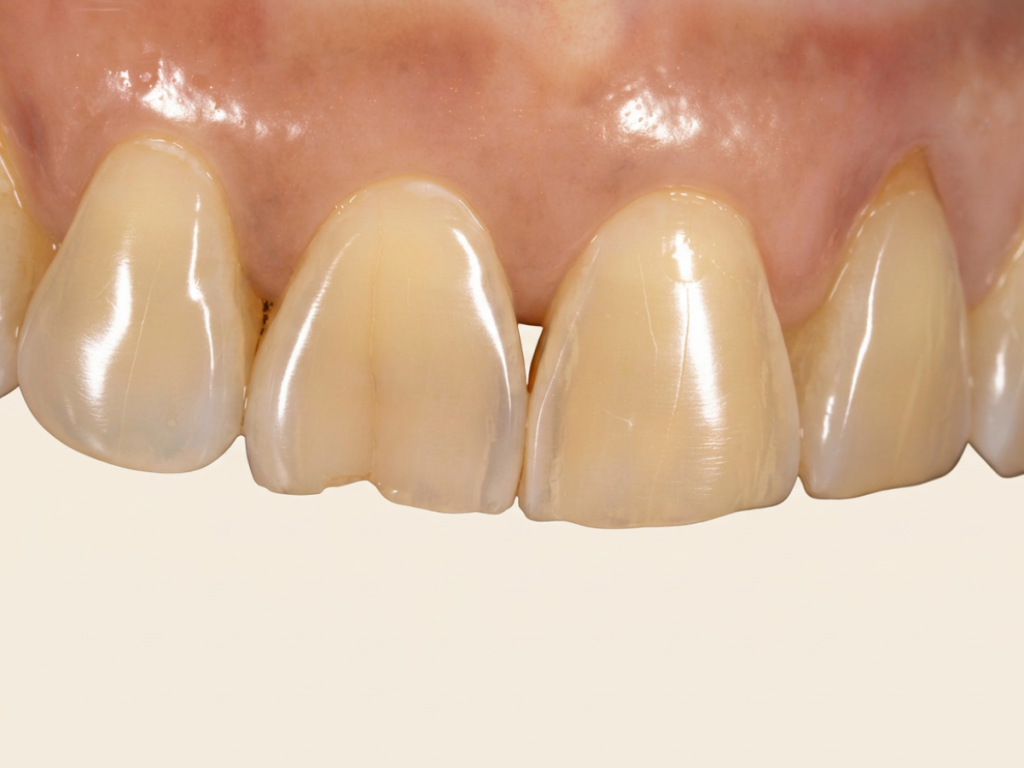
Picture this: you bite into a piece of ice at a Belmar patio table and feel a small, sharp edge with your tongue. It doesn’t hurt, so you figure it can wait. That’s the moment we see a lot in our Lakewood office, and it’s worth pausing on before you decide to ignore it.
A tooth isn’t one solid block. It’s built in layers, kind of like an egg. The outer shell is enamel, hard and shiny, but with no feeling in it at all. Underneath sits dentin, a softer layer full of tiny tubes that lead straight to the nerve. At the center is the pulp, where the nerve and blood supply live.
- Enamel: the hard outer coating, no nerves, so a small chip here often feels fine at first
- Dentin: a softer layer underneath with tiny channels that carry sensation toward the nerve
- Pulp: the inner core holding the nerve and blood vessels, where real trouble starts
A chip that only nicks the enamel is usually the least urgent kind. But once a crack reaches dentin, cold drinks and sweet snacks start to sting. That sting is your tooth telling you the protective shell is gone in that spot.
Here’s the part most people don’t realize until it’s too late: dentin is porous. Bacteria from your mouth can travel through those tiny tubes over time, not just from one bad bite. A chip that looked fine on day one can quietly let bacteria creep closer to the nerve with every day you put off getting it checked.
We’ve seen this play out with patients who come in expecting a small fix, only for the exam to show a crack line running deeper than the eye could tell. That’s not a scare tactic, it’s just how enamel fractures behave. Hairline cracks don’t always stop where they started.
So how much time do you really have with a chipped tooth before it becomes a bigger problem? It depends on which layer got exposed, and that’s something an exam reveals, not a mirror check at home. If you’re dealing with a chip that’s sharp, sensitive, or came with a jolt of pain when it happened, our broken tooth repair and emergency dental care page walks through what a same-day visit usually looks like.
Lakewood winters bring a lot of hot coffee and cold air within the same five minutes, and that temperature swing is exactly what makes an exposed dentin layer complain. If your chip stings when you sip something hot or cold, that’s your tooth asking for attention, not just a cosmetic fix.
Chipped Tooth Scenarios: What Each One Really Means
You run your tongue over the spot again, just to check. Still rough. Still sharp on one side. Not every chip is the same, and the type you have changes how long it’s safe to wait.
Picture someone biting into hard candy at a Belmar coffee shop and feeling a small edge appear on a front tooth. That’s a different situation from someone who took an elbow during a pickup basketball game at a Lakewood rec center and now has a tooth that’s loose and throbbing. Same word, chipped tooth, but two very different problems.
- Small surface chip: only the outer enamel is affected, no pain, edge feels smooth or barely rough. Usually the least urgent, but it can still catch on your lip or snag floss.
- Jagged or sharp chip: a piece broke off unevenly and the edge cuts your tongue or cheek. This one needs attention sooner, since constant rubbing can turn into a sore or an infection.
- Chip with sensitivity: cold drinks or sweets bring a quick zing of pain, usually a sign the chip reached the dentin layer closer to the nerve.
- Chip with a visible dark spot or pink tinge: this can mean deeper layers are involved, and it’s a signal to get in sooner rather than later.
- Chip after an injury (fall, sports, biting something hard): even if it looks small, the tooth may have hidden cracks below the surface that don’t show up right away.
Here’s the part most people don’t think about: the outside of a chip can look fine while the inside of the tooth is under real stress. We’ve had patients come in expecting a cosmetic nick, only to find the crack ran further down than expected. That’s not meant to scare you, it’s meant to explain why we always want to take a look, even when a chip seems minor.
So how do you know which category you’re in? Ask yourself three things. Does it hurt with hot or cold? Can you feel a sharp edge with your tongue? Did it happen from an injury, or just from biting something the wrong way? Your answers point toward how soon you should be seen.
A digital x-ray during your visit can show us what’s happening under the enamel, something you simply can’t judge by looking in a mirror at home.
Frequently Asked Questions
Common questions about How Long Can You Wait to Fix a Chipped Tooth?
Can a chipped tooth heal on its own?
No, a chipped tooth cannot heal on its own because enamel does not regrow once it breaks. Unlike skin or bone, tooth enamel has no living cells to repair itself. The chip will stay exactly as it is, or it may wear down further from chewing and temperature changes. Many patients wait, hoping the rough edge will smooth over, but it usually just gets more fragile. An exam is the only way to know what’s really needed. Learn more about your options on our broken tooth repair and emergency dental care page.
What should I expect during a chipped tooth exam?
You can expect a quick visual check, some gentle testing for sensitivity, and possibly an X-ray to see below the surface. We look at the depth of the chip, check if the nerve area is close, and test how your bite feels against it. Most exams take less time than people expect. You’ll leave with a clear picture of what’s going on and a written plan, so you’re never guessing about next steps.
Is it a myth that a painless chip means nothing is wrong?
Yes, that’s one of the biggest misconceptions we see in Lakewood. A chip can sit quietly with no pain at all while a crack spreads underneath the enamel where you can’t see it. Pain is a signal, not a guarantee. Some of the more serious cracks we’ve caught started as small, painless chips that patients assumed could wait indefinitely. Getting it looked at early gives you more treatment options later.
Does Colorado’s dry climate make chipped teeth worse?
Yes, dry air and quick temperature swings can add stress to an already weakened tooth. Lakewood winters bring hot coffee and cold outdoor air within minutes of each other, and that shift can make an exposed chip more sensitive. Dry indoor heat during winter months can also affect saliva levels, which normally help protect enamel. None of this causes a chip on its own, but it can speed up how quickly a small problem starts to bother you.
What happens if I leave a chipped tooth untreated for months?
Leaving a chip untreated for months often means it gets worse instead of staying the same. The rough edge can catch on your tongue or cheek, chewing pressure keeps wearing it down, and any hidden crack has more time to spread toward the nerve. What might have needed simple bonding early on can turn into a bigger repair later. That’s why timing matters more than most people realize, even without pain.
Is every chipped tooth a dental emergency?
No, not every chipped tooth needs same-day care, but some do. A tiny surface nick with no pain can often wait for a scheduled visit. A chip that’s sharp, bleeding, sensitive to temperature, or came from a hard fall usually needs attention right away. Since it’s tough to judge severity in a mirror, the safest step is having it checked rather than guessing which category yours falls into.