Ever wonder about the different types of teeth and what they do? I remember, during my early days studying dentistry, being amazed at how each of the fourtypes of teeth plays such a unique role. These teeth don’t just make your smile look good—they work together to keep your mouth functioning properly.
Perhaps you’ve heard of molars, incisors, canines, and premolars, but what do they actually do? If you’re curious about how each tooth helps you eat, speak, and even maintain the shape of your face, you’re in the right place.

What Are the Types of Teeth and Their Functions?
Our teeth are built for more than just eating. They’re essential for proper speech and even play a part in shaping our face. Let’s go through the types of teeth and what they do, so you can see just how important each one is.
Incisors: The Cutting Tools
Incisors are the front teeth, designed to cut through food. Every time you bite into something crunchy, like an apple, your incisors are hard at work. There are eight in total—four on top, four on the bottom.

Canines: The Tearers
Next are the canines. These pointed teeth sit next to your incisors and are perfect for tearing through tough foods. Canines are also the longest teeth in the mouth, which makes them strong and durable for this job.
Premolars: The Crushers
Your premolars sit between the canines and molars. They help break food into smaller, easier-to-chew pieces. Think of them as the middle ground between cutting and grinding, with their broad surfaces perfect for tearing and crushing.
Molars: The Grinders
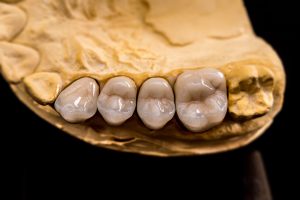
Finally, the molars, found at the back of the mouth, are the heavy lifters when it comes to chewing. Their flat surfaces make them ideal for grinding food into small, manageable pieces.
Each tooth type plays a key role in ensuring you can eat, chew, and digest properly.
Why Are These Functions Important?
You might wonder why it matters to know what each tooth does. Understanding their roles helps you care for them better. For example, cavities in molars make chewing difficult, while damage to incisors could affect how you bite into food. Knowing what each tooth does also helps you explain any dental issues when visiting the dentist, making treatment easier and more targeted.
Teeth and Overall Health
Your oral health connects closely to your overall well-being. When you take care of each type of tooth, you’re doing more than just maintaining your smile—you’re protecting your body from potential health issues. Studies have shown that poor oral hygiene can lead to bigger problems, like heart disease or respiratory issues. So, every time you brush your incisors, canines, premolars, and molars, you’re not only caring for your teeth, but your overall health too.
Common Dental Issues and How to Prevent Them
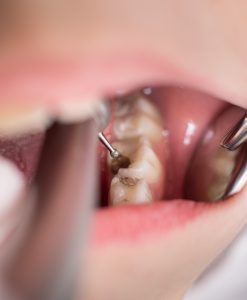
One of the most frequent issues with molars is tooth decay. Since they’re further back, they can be harder to reach with your toothbrush, causing food particles to get stuck and plaque to build up. Regular brushing and flossing are key to preventing these issues.
Canines can sometimes get worn down, especially if you grind your teeth. Additionally, incisors and premolars may face problems from acid wear or misalignment. Regular checkups and good dental habits can help avoid these problems.
Final Thoughts
Teeth aren’t just there to help us eat—they play a significant role in our overall health and happiness. By understanding how the four types of teeth work together, you’ll be in a better position to care for them and enjoy a healthy smile for years to come. Whether you’re cutting, tearing, or grinding your food, your teeth are always there, doing their part. So next time you take a bite, give a little appreciation to your incisors, canines, premolars, and molars—they deserve it.
What are the 4 teeth and their functions?
There are four main types of teeth, each with a specific role. Incisors cut food, canines tear food, premolars crush it, and molars grind it into smaller pieces for swallowing.
Which teeth are used for biting?
The incisors and canines are responsible for biting. Incisors cut through food, while canines help with tearing.
Which teeth do you chew with?
The premolars and molars are the primary teeth used for chewing, breaking food into smaller pieces.
Which are the four sharpest teeth of the mouth?
The sharpest teeth in your mouth are the canines, which are designed for tearing food.
Do molar teeth fall out?
Baby molars fall out as children grow, making way for permanent molars. However, once permanent molars come in, they are meant to stay unless damaged by decay or disease.
What is the main cause of tooth decay?
Tooth decay is mainly caused by the buildup of plaque. Plaque contains bacteria that produce acid, which slowly erodes the enamel on your teeth.
Which teeth do not fall out?
Your permanent teeth, which include incisors, canines, premolars, and molars, are designed to last a lifetime unless affected by disease or decay.
What are the 32 teeth called?
The 32 teeth in your mouth include incisors, canines, premolars, and molars, with wisdom teeth (third molars) being the last to come in.
What are baby teeth for?
Milk teeth help children chew and speak properly, and they act as placeholders for the permanent teeth that will replace them.
Which teeth are known as wisdom teeth?
Wisdom teeth are the third molars, located at the back of the mouth. They typically come in during late adolescence or early adulthood.
What teeth are connected to what organs?
Some holistic health practices suggest certain teeth correspond to specific organs. For instance, upper incisors are thought to connect to the kidneys, while canines may be linked to the liver. However, this idea is not widely supported by modern dentistry.
Which tooth is connected to the thyroid?
According to holistic health theories, lower canines are sometimes said to be connected to the thyroid, though this connection lacks scientific backing.
Which teeth fall out at age 10?
By age 10, children usually lose their remaining baby molars as their permanent molars come in.
Why do some people have 28 teeth instead of 32?
Many people have their wisdom teeth removed, reducing their total number of teeth to 28 instead of 32.
Is having all 32 teeth rare?
Keeping all 32 teeth, including wisdom teeth, is not common. Most people have their wisdom teeth removed.
What nerve connects your teeth to your brain?
The trigeminal nerve is the main nerve that links your teeth to your brain, responsible for sensation in your face and mouth.
Is it better to have a root canal or extraction?
A root canal is usually preferable because it saves the natural tooth. However, in cases of severe damage, an extraction may be the only option.
What organ can grow teeth?
While humans can’t regrow teeth, researchers are studying the possibility of using stem cells to regenerate teeth in the future.
What happens if you leave an impacted canine tooth?
Leaving an impacted canine untreated can lead to crowding, misalignment, and potential damage to nearby teeth.
What is the back tooth called?
The teeth at the back of your mouth are called molars, and the very last ones to come in are known as wisdom teeth.
Which food is good for gums?
Foods rich in vitamin C, such as oranges, and crunchy vegetables like carrots and celery, can help maintain gum health.
Which tooth is connected to the colon?
In holistic health, molars are sometimes linked to the colon, though this idea is not widely accepted in conventional dentistry.
Which teeth are connected to kidneys?
According to holistic practices, upper incisors are said to be connected to the kidneys.
What are the symptoms of thyroid problems in teeth?
Thyroid issues may lead to dry mouth, gum disease, and an increased risk of tooth decay.
Which teeth should touch first when biting?
When you bite down, your molars should make contact first to maintain a healthy, balanced bite.
Why do root canals fail after 10 years?
Root canals can fail due to reinfection, a missed canal, or improper sealing.
What hurts worse: getting a tooth pulled or a root canal?
A tooth extraction is generally considered more uncomfortable than a root canal, especially if the area is difficult to access.
What creature can regrow a lost tooth up to 50 times?
Sharks can regrow teeth multiple times throughout their lives, sometimes up to 50 times!
Which teeth cannot grow back?
Permanent teeth do not grow back once they are lost.
Schedule an Appointment at Balanced Dental Studio in Lakewood, Colorado
Proper dental care is important for preventing tooth decay and gum disease, and it can help keep your teeth strong and healthy for a lifetime.
Balanced Dental Studio in Lakewood is one of the most trusted names in local dental care. Don’t take your dental health for granted; call our dental experts today for your next dental checkup. Our team prioritizes whole-body health and functional dentistry. Our dental services aim to help our patients smile confidently, breathe clearer, and live healthier lives.
Remember, good oral hygiene and care for your four types of teeth leads to overall good health and a joyful smile!