Affordable Dental Fillings for Northwest Lakewood & Wheat Ridge Families
You’re sitting at your desk, trying to focus on that presentation that’s due tomorrow, but all you can think about is that weird sensitivity you’ve been feeling in your back tooth for the past week. You’ve been putting off calling the dentist because, honestly, who has time? Between getting the kids to soccer practice, hitting deadlines at work, and trying to remember if you paid the electric bill… scheduling a dental appointment feels like one more thing on an already impossible to-do list.
And then there’s the whole question of where to even go. Do you try that chain dental office near Colorado Mills because it’s convenient? Or do you drive further to find someone who actually takes time to explain what’s happening in your mouth? Plus, the word “filling” brings back memories of that awful experience you had as a kid, and you’re already feeling anxious just thinking about it.
Here’s what I wish someone had told me years ago: finding quality dental fillings in northwest Lakewood doesn’t have to be complicated. You don’t need to sacrifice quality for convenience, and you definitely don’t need to dread the experience.
At Balanced Dental Studio, we’ve built our practice around what busy Northwest Lakewood and Wheat Ridge families actually need. Same-day appointments when you’ve got a problem that can’t wait. Modern materials that look natural and last. A location that’s literally 10 minutes from Wheat Ridge, right in the 80215 area. And financing options through CareCredit because we get it – dental work is an investment.
In this article, we’re gonna walk through everything you need to know about dental fillings near Wheat Ridge. We’ll cover the different types of fillings available (spoiler: they’ve come a long way since the silver fillings your parents had), what actually happens during your appointment, why families in our area keep coming back, and how we make the whole process as painless as possible – both for your mouth and your schedule.
By the end, you’ll know exactly what to expect, how to book your appointment, and why cavity treatment near Wheat Ridge doesn’t have to be the stressful experience you’re imagining.
What Types of Dental Fillings Are Available?

Let me tell you about the first time I learned that dental fillings aren’t just “silver” or “not silver” anymore. I was talking to a patient – let’s call her Sarah – who came in convinced she needed those old-school metal fillings for her back molars because that’s what her dad always got. She had no idea there were actually options that could match her teeth perfectly, even in the back.
That conversation happens a lot. Most people think dental fillings come in exactly two varieties, and they’re surprised (pleasantly, I hope) to find out we’ve got several options depending on what you need.
Composite (Tooth-Colored) Fillings
These are the rock stars of the filling world right now, and for good reason. Composite fillings are made from a resin material that we can match almost exactly to your natural tooth color. Remember how I mentioned Sarah? She ended up choosing composite for her back molar, and even she couldn’t tell where the filling was after we finished.
Here’s what makes composite fillings so popular for our Northwest Lakewood families:
- They’re basically invisible. If you’re giving presentations at work or just want to smile without worrying about metal showing, composite fillings blend right in.
- They bond directly to your tooth. This isn’t just about aesthetics – the bonding actually helps support the remaining tooth structure.
- They’re great for front teeth and visible areas. Though honestly, we use them all over the mouth these days.
- They set quickly with our curing light. You’re not waiting around forever for them to harden.
The trade-off? They typically don’t last quite as long as amalgam in heavy-chewing areas. But for most of our patients – especially those who care about maintaining a professional appearance – composite fillings are the go-to choice.
Amalgam (Silver) Fillings
Let’s talk about the fillings your parents probably had. Amalgam fillings have been around forever (like, over 150 years), and there’s a reason they’ve stuck around – they work.
These silver-colored fillings are made from a mixture of metals, and they’re incredibly durable. If you’ve got a back molar that takes a beating every time you eat, amalgam can handle it. They’re also typically less expensive than other options, which matters when you’re managing a family budget.
Here’s when amalgam might be your best bet:
- Back molars where appearance isn’t a concern. No one’s seeing your back teeth when you laugh.
- Areas with heavy chewing pressure. Amalgam is tough as nails.
- Budget-conscious choices. They cost less and last a long time.
- Teeth below the gum line. Sometimes amalgam works better in areas that are hard to keep completely dry during the procedure.
The obvious downside is they’re silver, so they show. But for some teeth, that’s a trade-off worth making for the durability and cost savings.
Ceramic Fillings
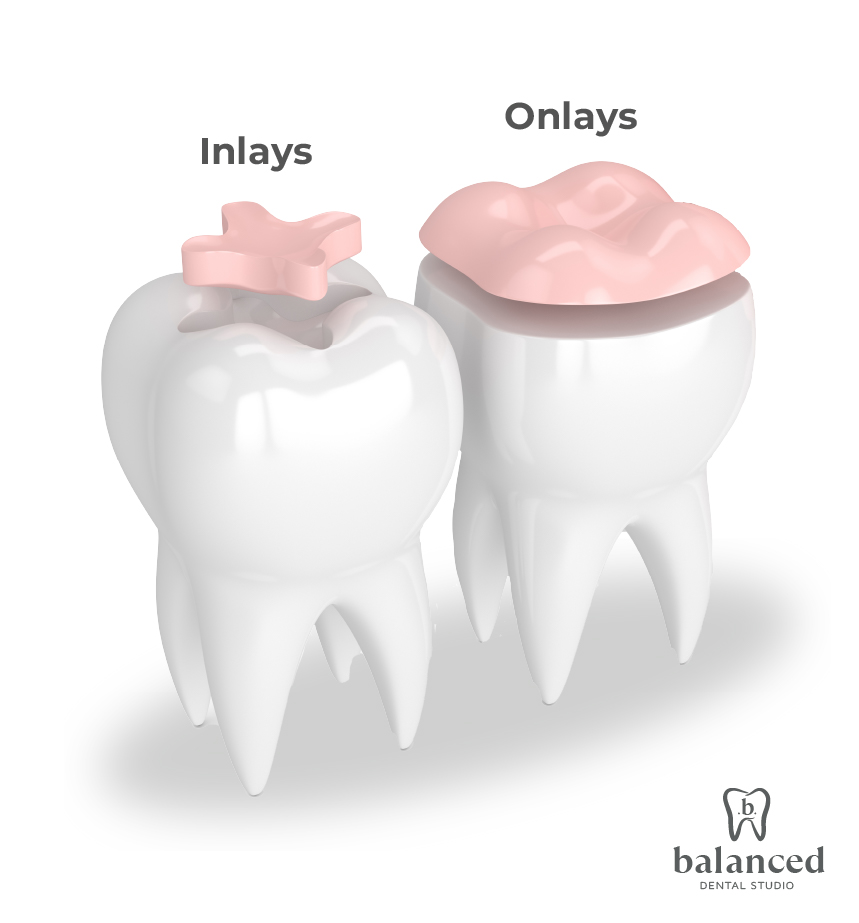
Think of ceramic fillings as the premium option. They’re made from porcelain, which means they resist staining better than just about anything else. Your morning coffee habit? Not a problem with ceramic.
These are typically used for larger restorations – when you need more than just a small filling but maybe not quite a full crown. They’re incredibly natural-looking and super durable, but they do come with a higher price tag.
Ceramic fillings are perfect for:
- Larger cavities that need substantial restoration
- Patients who want the most natural appearance possible
- Areas where stain resistance matters (hello, coffee and red wine lovers)
- Long-term durability without the metal look
We don’t use ceramic for every filling, but when it’s the right choice, it’s really the right choice.
Glass Ionomer Fillings
These are the specialty players. Glass ionomer fillings are made from acrylic and glass, and they have a cool feature – they actually release fluoride over time, which helps protect the tooth from further decay.
We typically use these for:
- Children’s teeth. The fluoride release is a bonus for kids who are still learning proper brushing habits.
- Root surfaces. When decay happens near the gum line.
- Temporary fillings. Sometimes we need a filling to last a few months while we plan for a more permanent restoration.
- Non-biting surfaces. They’re not as strong as other options, so we avoid high-pressure areas.
They’re not our most common filling type, but they have their place in the toolbox.
So Which Type Should You Choose?
Here’s the honest answer: it depends on where the cavity is, how big it is, what your budget looks like, and what matters most to you. During your appointment, we’ll walk through the options that make sense for your specific situation. Most of our Northwest Lakewood patients end up choosing composite fillings because they want that natural look, but we’ll never push you toward the most expensive option just because.
Your tooth, your choice – we’re just here to give you the information you need to make it.
Why Northwest Lakewood Residents Choose Balanced Dental Studio for Cavity Treatment
I remember the first time a patient told me she’d been driving past our office for six months before finally calling. She lived literally five minutes away in the Green Mountain area, but she’d been going to a dentist in downtown Denver because that’s where she’d always gone. When I asked what finally made her switch, she said: “I realized I was wasting an hour of my life every time I needed a cleaning, just sitting in traffic.”
Location matters. Especially when you’re trying to squeeze a dental appointment into a lunch break or between dropping kids at school and making it to that 9 AM meeting.
We’re right here in northwest Lakewood, tucked in near the Colorado Mills area where West Colfax meets Kipling. If you’re coming from Wheat Ridge, you’re looking at maybe 10 minutes depending on traffic. From the Green Mountain neighborhoods? Even less. We chose this location specifically because we wanted to serve the families in this area without making them trek across town.
But here’s the thing – convenience only matters if the care is actually good. You know what I mean? There’s a chain dental office on every corner these days, and sure, they’re convenient. But convenience isn’t worth much if you’re sitting in a sterile waiting room wondering if the dentist even looked at your chart before walking into the room.
Same-Day Appointments When You Need Them
Let’s be real about how dental emergencies actually happen. That tooth doesn’t start hurting at 9 AM on a Tuesday when you’ve got nothing scheduled. It starts hurting at 6 PM on Thursday, or over the weekend when you’re trying to enjoy your kid’s soccer game, or right before that big presentation you’ve been prepping for all month.
We keep same-day appointment slots available because we’ve lived this. We know you can’t always plan dental problems around your calendar. You call, we get you in, we take care of it. No “our next opening is three weeks from Thursday at 2:47 PM” nonsense.
And if it’s truly an emergency – like you bit down on something and cracked a tooth – we’ll figure out how to see you, period.
A Modern Office That Actually Feels Comfortable
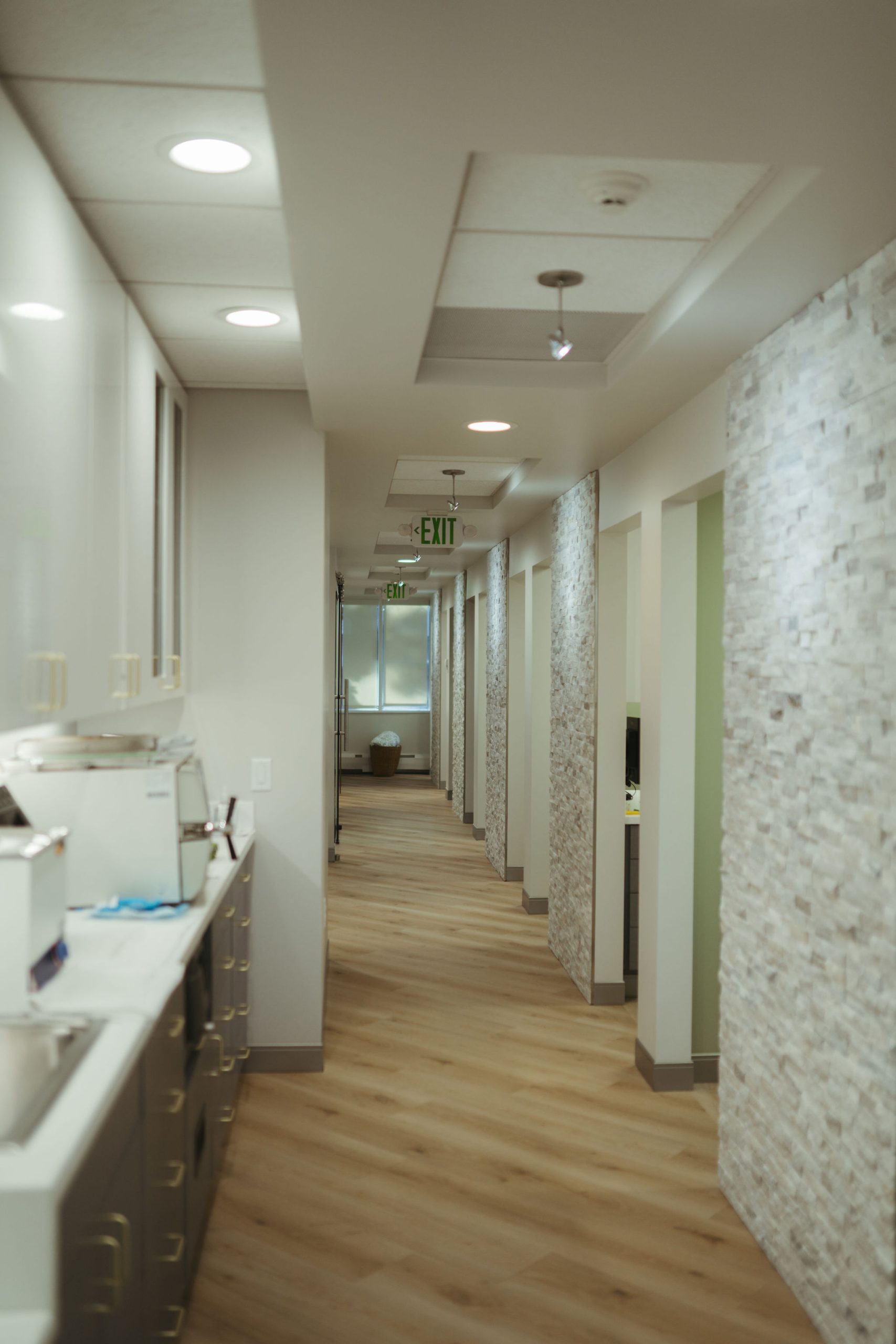
I don’t know who decided that dental offices should feel like hospitals, but that person was wrong. Our office is designed to feel more like… well, like a place you might actually want to be.
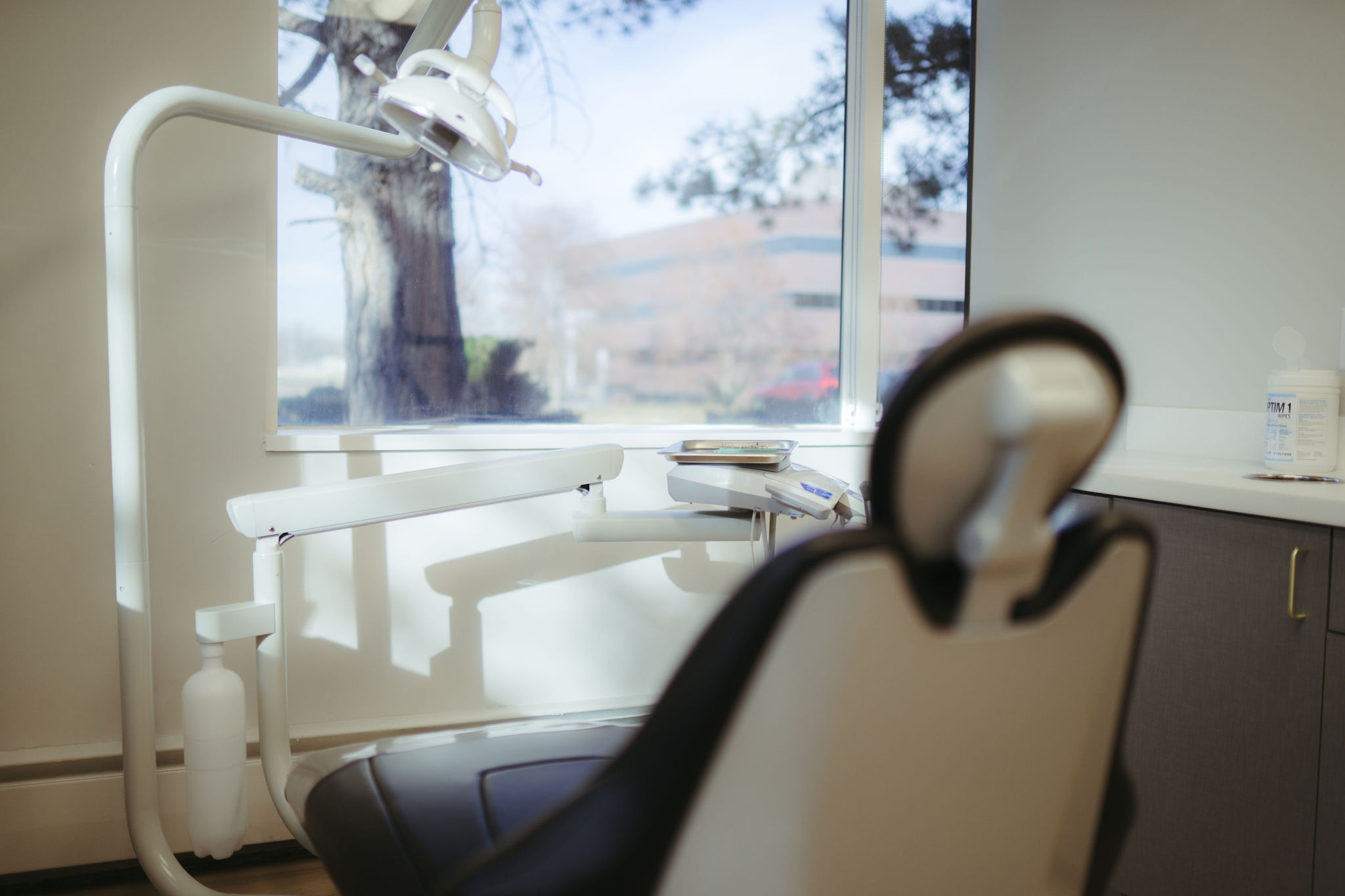
We’ve got big windows because natural light makes everything better. Comfortable chairs in the waiting area because you shouldn’t feel like you’re sitting in a principal’s office. And our treatment rooms are set up with your comfort in mind – blankets if you get cold, headphones if you want to listen to music or a podcast during your procedure, pillows to support your neck.
The technology is modern too. We use digital x-rays which means way less radiation than the old film x-rays (our patients who are parents really appreciate this). Our filling materials are the current best options, not whatever we bought in bulk five years ago. And everything is designed to make the process as quick and comfortable as possible.
We Actually Care About the Family Part of Family Dentist

Here’s what happens at a lot of dental practices: They say they’re “family-friendly” but what they really mean is “we won’t refuse to see your kids.” That’s not the same thing.
We work with families in the real sense. Mom comes in for a filling, we talk about when the kids need their next check-ups. Dad mentions he’s been grinding his teeth at night, we discuss how that might affect the whole family’s sleep (because if you’ve got a partner who grinds their teeth, you know you’re not sleeping great either). The teenager needs braces consultation, we coordinate timing with school schedules and sports.
A lot of our Northwest Lakewood families have been with us for years now. We know your kids’ names. We remember that your daughter is terrified of the numbing shot so we use extra topical anesthetic. We know you need appointments before 8 AM because your commute to the Denver Tech Center is brutal if you don’t leave early.
That’s what family dentist actually means.
No Judgment, Just Care
Look, we’ve all been there. You haven’t been to the dentist in three years because life got crazy. Or you know you should floss more but honestly, who has the energy at 10 PM after getting the kids to bed? Or maybe you had a terrible experience as a kid and you’ve been avoiding the dentist ever since.
We get it. Whatever brought you here – or kept you away until now – you won’t get a lecture from us. You’ll get a conversation about where you are right now and what makes sense moving forward.
If you’ve got dental anxiety (and a lot of our patients do), we talk through exactly what’s going to happen before we do anything. We go at your pace. We take breaks if you need them. The goal is to fix your tooth, yes, but also to make sure you’ll actually come back for your next appointment instead of avoiding us for another three years.
Why Our Wheat Ridge Neighbors Keep Coming Back
I could list out all our credentials and training (and that information is available if you want it). But the real reason patients stick with us? They feel heard. They trust us. And they know we’re not going to sell them on treatment they don’t need.
When you need a filling, we explain why you need it. We show you the x-ray. We talk through your options. And if you want to think about it or get a second opinion, we support that. Your mouth, your timeline, your decision.
Plus, and I can’t stress this enough, we’re right here. You’re not commuting 30 minutes each way for a 45-minute appointment. You’re not trying to navigate downtown Denver parking. You’re pulling into our lot, coming in for your filling, and getting back to your day.
That’s what we mean when we say we built this practice for Northwest Lakewood and Wheat Ridge families. We actually live here too.
What to Expect During Your Filling Appointment
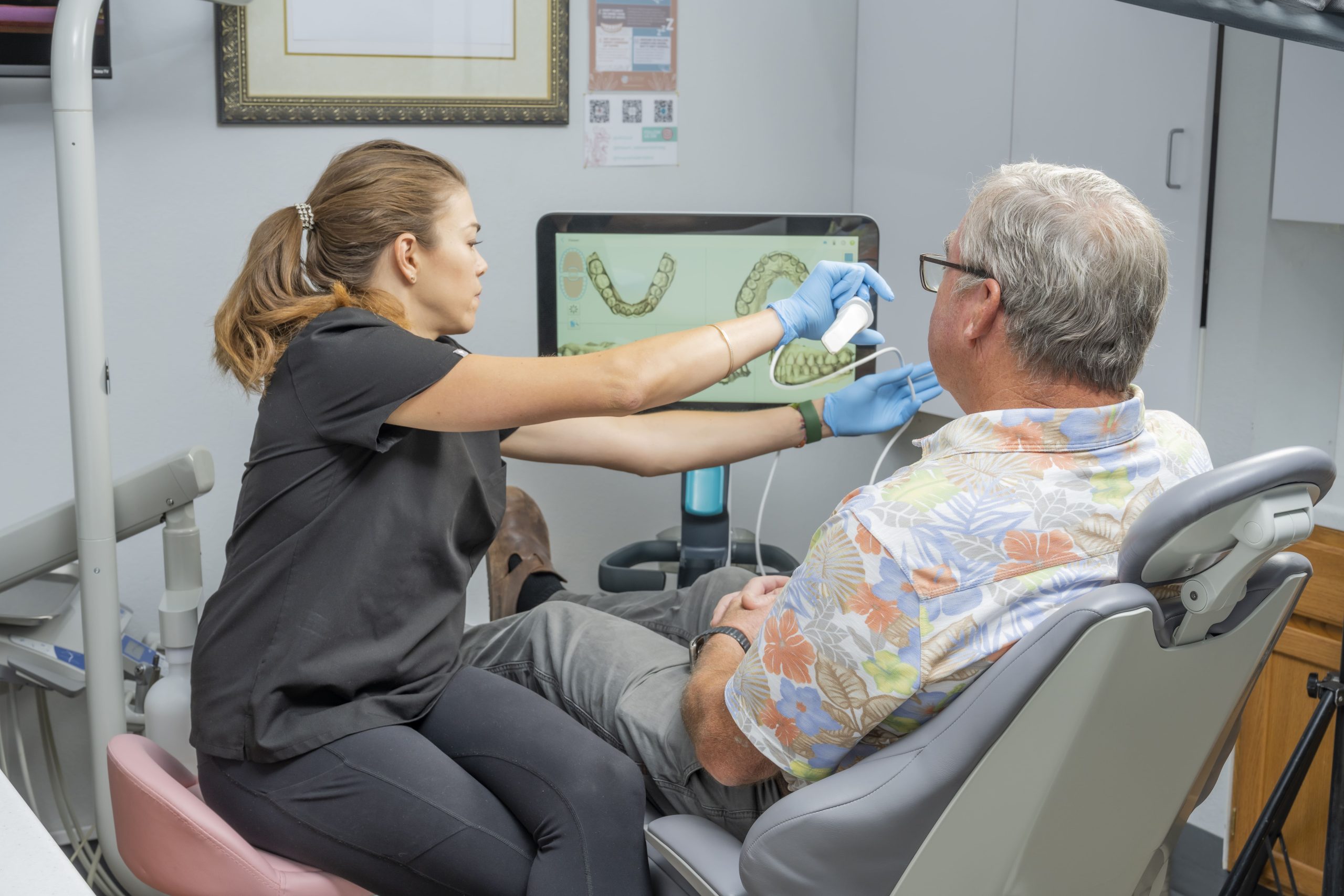
Alright, let’s talk about what actually happens when you come in for a filling. Because I think half the anxiety around dental work comes from not knowing what’s going to happen next. The unknown is scary. The known? We can handle that.
I’m gonna walk you through the whole process, step by step, so there are no surprises when you get here.
Initial Examination and X-Rays
First things first – we need to see what we’re working with. Even if you’re pretty sure you know which tooth is bothering you, we’re going to do a thorough examination to make sure we’re not missing anything else.
We’ll take digital x-rays of the area. These are way better than the old film x-rays your parents probably remember – they use about 90% less radiation, they’re faster, and we can pull them up on a screen right there in the room so you can see exactly what we’re seeing. No more wondering what the dentist is looking at while you’re sitting there with your mouth open.
This whole part takes maybe 5-10 minutes. We’ll show you where the cavity is, talk about how deep it goes, and discuss which type of filling makes the most sense. This is when you get to ask all your questions – and trust me, we’d rather answer questions now than have you sitting in the chair wondering what’s happening.
Numbing and Comfort Options
Here’s where a lot of people get nervous, and I totally understand why. Nobody loves getting numbed. But here’s what we actually do to make it easier:
First, we apply a topical anesthetic to the area – it’s like a gel that numbs the surface before we even bring out a needle. You’ll feel it getting tingly and numb. Then when we do the actual injection, you barely feel it because the area’s already numb from the topical.
The whole numbing process takes about 5 minutes, and then we wait another few minutes for it to fully kick in. We’re not rushing this part. You’ll know when you’re properly numb because your lip will feel fat and weird (it’s not actually fat, it just feels that way).
While we’re waiting for the numbing to work, we can talk about whatever you want. A lot of patients like to put in headphones and listen to music or a podcast. Some people just want to close their eyes and zone out. Some want to chat about their kids’ soccer season or that Netflix show everyone’s watching. Whatever makes you comfortable.
If you’ve got serious dental anxiety – and again, a lot of people do – tell us. We can take extra time. We can explain every single step before we do it. We can establish a “stop” signal so you feel in control. The goal is to get through this without you feeling traumatized.
The Filling Procedure
Once you’re numb and comfortable, here’s what happens:
We’ll remove the decayed part of the tooth. This is where you might hear that dental drill sound (headphones help with this, by the way). You won’t feel pain because you’re numb, but you’ll feel pressure and vibration. That’s normal.
Once we’ve cleaned out all the decay, we prepare the tooth for the filling. If you’re getting a composite filling – which most people do – we’ll apply the filling material in layers, using a special curing light to harden each layer. It looks kind of like a blue flashlight. Each layer takes just seconds to set.
We build up the filling layer by layer until we’ve restored the tooth to its proper shape, then we shape and polish it so it feels smooth and natural in your mouth.
The whole procedure typically takes 30-45 minutes for an average filling. Smaller cavities might be quicker, larger ones might take a bit longer. But we’re not rushing. We’re making sure it’s done right.
Here’s something people always ask – can you watch TV or look at your phone during the procedure? Honestly, it’s tricky because we need you to keep your mouth open and stay relatively still. But during breaks (and we take breaks), you can absolutely check your phone or whatever you need to do.
Post-Procedure Care and Recovery
When we’re done, you’re gonna feel like half your face is frozen. That’s normal and it’ll wear off in the next few hours. Here’s what you need to know:
Immediately after:
- Don’t eat or drink anything hot until the numbness wears off completely. Trust me on this – you can accidentally bite your numb lip or tongue and not realize it until later.
- You can eat on the other side of your mouth if you’re hungry, but soft foods are your friend for the first day.
- The filling is fully set when you leave, so you don’t need to worry about it being “wet” or fragile. Composite fillings harden immediately with the curing light.
The first 24-48 hours:
- Some sensitivity to hot and cold is totally normal. Your tooth just went through a procedure – it needs a little time to settle down.
- You might feel like the filling is a bit high when you bite down. Sometimes it takes a day or two for your bite to feel normal again. But if it’s really bothering you after a couple days, call us and we’ll adjust it. That’s a 5-minute fix.
- Keep brushing and flossing like normal. You’re not going to hurt the filling.
When to call us:
- If you’ve got pain that’s getting worse instead of better after a few days
- If the filling feels really sharp or is cutting your tongue
- If the tooth becomes super sensitive and stays that way beyond a few days
- If the filling falls out (rare, but it can happen)
Most people are back to completely normal within 24 hours. You might forget which tooth even got filled.
We’ll usually want to see you back in about six months for your regular check-up, just to make sure everything’s healing well and the filling is holding up. But if anything feels off before then, you call us. Don’t wait around wondering if something’s wrong.
Flexible Payment Options and Insurance for Dental Fillings

Let’s talk money. I know this is the part that stresses people out, so I’m gonna be straight with you about how payment works at our practice.
We’re a fee-for-service practice, which means we don’t contract directly with insurance companies. I know that might sound scary at first, but here’s what it actually means for you:
When you have your appointment, you pay for the service. Then we provide you with all the documentation you need to submit to your insurance company for reimbursement. Most of our patients get a significant portion back from their insurance – typically 50-80% for fillings, depending on your specific plan.
Why do we operate this way? Because it lets us focus on what’s actually best for your teeth instead of what your insurance company is willing to pay for. We’re not limited to the cheapest materials or the fastest procedures. We can take our time and do it right.
CareCredit and Payment Plans
Here’s the reality – even with insurance reimbursement, dental work is an investment. And sometimes you need that filling now, but the budget is tight this month. We get it.
That’s why we work with CareCredit. It’s basically a healthcare credit card that offers financing options, including promotional periods with no interest if you pay it off within a certain timeframe. A lot of our patients use this to spread out the cost of dental work over several months instead of paying everything upfront.
We can also discuss payment plans directly with our office for certain situations. The point is, we don’t want cost to be the reason you’re sitting at home with a toothache instead of getting it fixed.
The Real Cost of Waiting
Here’s something nobody talks about enough – cavities don’t get better on their own. That small cavity you’re ignoring because you don’t want to deal with it? It’s getting bigger. And the bigger it gets, the more expensive it becomes to fix.
A small filling now might cost you a few hundred dollars. Wait a year, and that cavity might need a root canal and a crown – which is thousands of dollars. I’m not trying to scare you, I’m just telling you what happens. Teeth don’t heal themselves like a cut on your finger does.
So when we talk about the cost of dental fillings, we’re really talking about an investment in preventing way bigger problems down the road. Plus, you know, being able to eat without pain and smile without worrying about your teeth. That’s worth something too.
Transparent Pricing
We’ll give you a clear estimate before we start any work. No surprise bills. No “oh by the way, this is actually going to cost twice what we said.” You’ll know what you’re paying before we pick up a drill.
And if you need to think about it or adjust your budget, that’s fine. We’d rather you make an informed decision than feel pressured into something you’re not ready for.
Convenient Location Just 10 Minutes from Wheat Ridge
Let me tell you exactly how to find us, because I don’t want you driving around in circles trying to figure out where we are.
We’re located right in the heart of northwest Lakewood at [Address], which is super close to where West Colfax meets Kipling. If you’re coming from Wheat Ridge, you’re basically taking a straight shot down either 44th Avenue or West 38th Avenue to Kipling, then heading south. The whole drive is about 10 minutes unless you hit it right at rush hour.
Coming from the Green Mountain area? You’re even closer – probably 5-7 minutes depending on exactly where you’re starting from.
We’re right near Colorado Mills, so if you know where that is, you know where we are. There’s a [nearby landmark] basically next door, and [another landmark] across the street. You can’t miss us.
Parking and Access
Parking is easy – we’ve got our own lot right in front of the building. No circling the block looking for street parking. No feeding meters. You just pull in, park, and walk in the front door.
The office is completely accessible if you’ve got mobility concerns. No stairs to navigate, everything’s on one level.
Office Hours That Work for Working People
We know you’ve got a job. We know you’ve got kids to get to school. We know mornings are chaos and leaving work in the middle of the day isn’t always possible.
Our hours are designed around real people’s real schedules:
- Early morning appointments before you head to work
- Late afternoon appointments after school pickup
- We stay flexible because we know life doesn’t always fit into a 9-to-5 schedule
Easy Scheduling
You can call us directly at [phone number] – and yes, a real human answers the phone. We also have online scheduling if you’re the type of person who likes to book appointments at 10 PM while you’re lying in bed remembering all the things you forgot to do that day (no judgment, we all do this).
Want to text instead? That works too. We’re pretty flexible about communication because everyone’s got their preferred method.
From Wheat Ridge to our office to getting back to your day – we’re talking maybe an hour total for a filling appointment, including drive time. That’s less time than you’d spend getting your oil changed, and probably more important for your overall health.
Frequently Asked Questions About Dental Fillings in Northwest Lakewood
How long do tooth-colored fillings last?
With proper care, tooth-colored composite fillings typically last 7-10 years, though many can last longer. Their longevity depends on several factors including the filling’s location, your oral hygiene habits, and whether you clench or grind your teeth. During regular checkups at our Lakewood dental office, we’ll monitor your fillings and recommend replacement when necessary to prevent future problems. Learn more about our dental fillings in Lakewood.
Are tooth-colored fillings more expensive than metal fillings?
Tooth-colored fillings generally cost slightly more than traditional amalgam fillings, but most patients find the aesthetic and health benefits well worth the difference. Many insurance plans now cover composite fillings at the same rate as amalgam, especially for visible teeth. Our office offers flexible payment options to make these superior restorations accessible for all Lakewood families.
Does getting a tooth-colored filling hurt?
Not at all! We make sure you’re completely comfortable during filling procedures with effective local anesthesia and optional nitrous oxide sedation for anxious patients. Our gentle technique and patient-centered approach mean you’ll feel minimal pressure during the procedure and little to no discomfort afterward. Most patients are pleasantly surprised by how comfortable the experience is at our Lakewood dental practice.
Can I replace my old metal fillings with tooth-colored ones?
Absolutely! Many of our Lakewood patients choose to progressively replace their noticeable metal fillings with natural-looking composite alternatives. This not only improves smile aesthetics but eliminates concerns about mercury content in older amalgam fillings. During your consultation, we’ll evaluate your existing fillings and create a replacement plan that prioritizes both function and appearance.
How are tooth-colored fillings placed?
The process begins with removing decay and cleaning the affected area. We then apply a special bonding agent to help the composite material adhere to your tooth. The tooth-colored resin is carefully layered into the prepared cavity and hardened with a special curing light. Finally, we shape and polish the filling to match your natural bite and tooth contours, resulting in a restoration that’s virtually undetectable.
What’s the difference between composite and amalgam fillings?
Composite fillings are tooth-colored and bond directly to your tooth structure, while amalgam fillings are silver-colored metal mixtures. Composite fillings offer better aesthetics and require less tooth removal, but amalgam fillings are typically more durable in high-pressure chewing areas and cost less. The best choice depends on the location of your cavity, your budget, and your aesthetic preferences.
How soon can I eat after getting a filling?
With modern composite fillings, the material is fully hardened before you leave our office. However, we recommend waiting until the numbness wears off completely (usually 2-3 hours) before eating to avoid accidentally biting your lip or tongue. Once the anesthesia wears off, you can resume normal eating, though we suggest sticking to softer foods for the first 24 hours if you experience any sensitivity.
Do dental fillings need to be replaced eventually?
Yes, all dental fillings have a lifespan and will eventually need replacement due to normal wear and tear. We monitor your fillings during regular checkups and will recommend replacement when we notice signs of wear, cracking, or gaps forming between the filling and tooth. Replacing worn fillings before they fail helps prevent more serious problems like tooth fractures or new decay forming underneath the old filling.
Ready to Schedule Your Dental Filling Appointment?
Look, I know I just threw a lot of information at you. Types of fillings, what to expect, payment options, how to find us – it’s a lot. But here’s what it really comes down to:
You’ve got a tooth that needs attention. We can fix it. And we can make the whole process as painless and convenient as possible for you.
No more putting it off because you’re nervous or you don’t have time or you’re not sure where to go. You’ve got a solid option right here in northwest Lakewood that’s built specifically for families like yours.
Here’s what to do next:
- Call us at [phone number] or schedule online. Tell us what’s going on with your tooth, and we’ll get you in as soon as possible. Same-day appointments are available if you need one.
- Come in for your appointment. We’ll examine the tooth, talk through your options, and take care of that filling in one visit. Plan on about an hour total.
- Get back to your life with a healthy tooth. No more sensitivity, no more worrying about that cavity getting worse, no more avoiding certain foods because one tooth hurts.
That’s it. Three simple steps between you and a fixed tooth.
And hey, if you’ve still got questions – about the types of fillings, about what your insurance might cover, about whether we can see you before work on Tuesday, whatever – just call us. We’d rather answer your questions now than have you sitting at home at 2 AM googling “do I really need this filling” and getting sketchy answers from random internet forums.
We’re right here in your neighborhood, we actually care about doing this right, and we promise we’ll make it as easy on you as possible.
Balanced Dental Studio
Located just 10 minutes from Wheat Ridge, near Colorado Mills. Serving families throughout northwest Lakewood and the Green Mountain area.
Your teeth are kind of important. Let’s take care of them.