Digital X-rays in Lakewood, Colorado

Digital X-rays
Gone are the days of waiting for film to develop or biting down on uncomfortable cardboard holders. At our Lakewood dental clinic, we use state-of-the-art digital X-ray technology that captures crystal-clear images of your teeth and jaw instantly, using up to 90% less radiation than traditional film X-rays. These high-resolution digital images appear on our computer screens within seconds, allowing us to zoom in, enhance contrast, and show you exactly what's happening in your mouth in real-time. This advanced imaging technology helps us detect cavities between teeth, evaluate bone health, plan treatments with precision, and catch potential problems before they become painful or expensive to fix. For health-conscious families concerned about radiation exposure, our digital X-rays provide the detailed diagnostic information we need while prioritizing your safety and comfort throughout the imaging process.
Seeing More with Less Radiation
Digital X-ray sensors are incredibly sensitive, requiring just a fraction of the radiation exposure needed for traditional dental films. This dramatic reduction in radiation makes them especially ideal for children, pregnant women (with proper shielding), and anyone who needs frequent monitoring. The digital sensors are also more comfortable than old-style film packets, with smooth, rounded edges that fit more naturally in your mouth. But the real advantage comes from the image quality – digital X-rays reveal subtle changes in tooth structure and bone density that might be missed on traditional film. We can adjust brightness and contrast to highlight specific areas of concern, measure precise distances for treatment planning, and even use color mapping to make problems more visible. This enhanced visualization helps us provide more accurate diagnoses and create more effective treatment plans tailored to your specific needs.

Instant Results, Better Communication
What truly transforms the patient experience with digital X-rays is the immediate availability of images. No more wondering what the dentist sees or trying to understand a verbal description of your dental condition. We display your X-rays on large monitors right in the treatment room, using zoom and annotation tools to explain our findings clearly. This visual communication helps you understand exactly why we might recommend a particular treatment and allows you to be an active participant in your dental care decisions. Digital storage means we can easily compare current images with previous X-rays to track changes over time, send images to specialists electronically when referrals are needed, and maintain a permanent digital record that won't fade or get lost. For patients switching from another practice, we can often import your previous digital X-rays, maintaining continuity of care.
The American Dental Association emphasizes that digital radiography offers numerous advantages including lower radiation doses, elimination of chemical processing, and the ability to enhance images for better diagnostic capability.

Did you know that 12% of the population has never had a cavity?! They’re the lucky ones!
What Are the Stages of a Cavity?
Is it possible to reverse a cavity and refrain from visiting your Lakewood dentist?
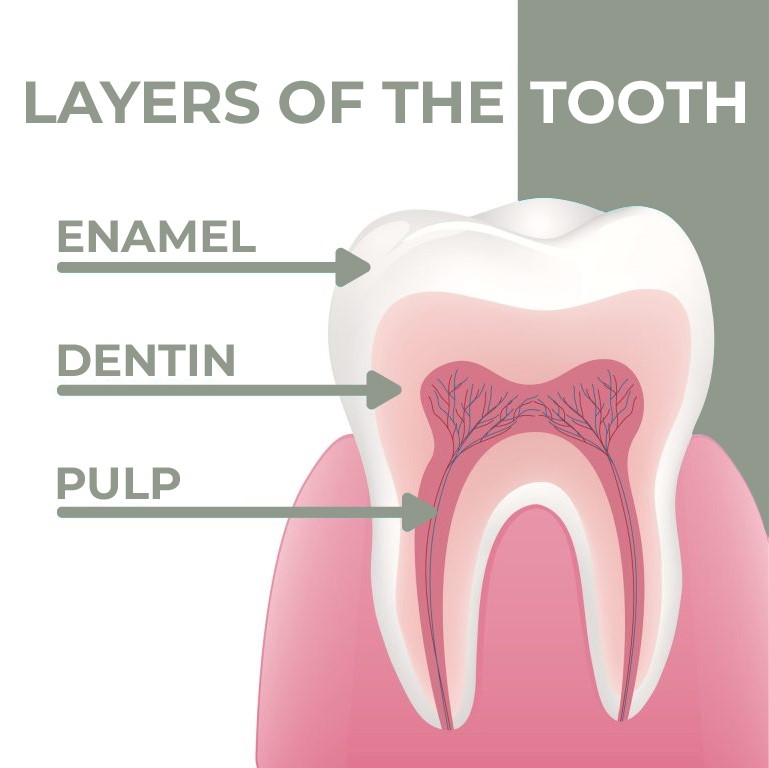
Reverse a cavity? Potentially. Refrain from visiting the dentist? Probably not the best plan of action. There are five stages of cavities, starting with the development of white spots and ending with a full-blown tooth decay. Catching tooth decay early on is the best way to prevent further damage and to restore the tooth to its natural condition as soon as possible. Here are the five stages:

White spots develop the tooth, indicating demineralization of the enamel. Quick action can allow you to reverse this damage. Here are some things that will help at this stage (as this is the stage where cavities can be reversed).

There’s a hole in the surface. If caught early enough, in most cases we can save the tooth.

There is a visible discoloration on the tooth and the cavity starts to involve the dentin layer – ouch! You should go see a dentist as soon as possible to avoid a root canal and save the tooth with a dental inlay or onlay.

The cavity reaches the pulp with an infection. Since it’s reached the nerves and blood vessels, this is a very painful stage. This usually calls for a root canal with a crown.

The infection has gone through the tooth and is in the tissue and bone around the root of the tooth. In most cases, the gums are swollen and it is extremely painful. It’s also extremely dangerous. If a cavity reaches this point, it can affect the whole body and in some cases prove to be fatal. This stage calls for a tooth extraction.
Signs a Cavity Is About to Form
Other than through digital cavity detecting radiology, here are the common signs a cavity is about to appear.
Cavities form because of plaque left on the tooth. The plaque breaks down the tooth’s enamel, which causes tooth decay. Typically a cavity is not extremely noticeable until the tooth decay starts. However, there are a few signs to look out for in the early stages of its development, such as:
- Tooth sensitivity or pain when eating and drinking – this is a sign that your outer layer of enamel is wearing down.
- Discoloration or tiny white spots – A tiny spot on your tooth that appears white, brown, or black could be a cavity forming. These spots are a sign of demineralization of the outer layer of your tooth.
- Bad breath – Consistent bad breath is a sign of food particles trapped in the teeth (or mouth breathing), which might mean plaque is building up somewhere without you knowing it.
Keep up to date with your routine dental exams, as our digital cavity detecting radiology in Lakewood, CO will help identify cavities before they become too troublesome.
Take Care of Those Teeth!
Here’s how to keep them healthy.

Brush Your Teeth Twice a Day
Even on the sleepiest of evenings when you can’t wait to lay your head on your pillow, brushing your teeth is a must. It can be easy to skip this step, but it is the best way to get rid of the germs and plaque that build up on your teeth all day long.

Use the Right Brushing Technique
- Place your toothbrush at a 45-degree angel to the gums
- Gently move the brush back and forth in short (tooth-wide) strokes.
- Brush the outer surfaces, the inner surfaces, and the chewing surfaces of the theeth.
- To clean the inside surfaces of the front teeth, tilt the brush vertically and make several up-and-down strokes.
- Remind yourself to not brush too hard!

Brush Your Tongue
Brush your tongue when brushing your teeth. Some toothbrushes actually have a rough back designed for tongue brushing. However, you can also gently brush your tongue with the bristles.

Use Hydroxyapatite Toothpaste
Try to get a toothpaste that contains hydroxyapatite! These substances act as an agent to reduce your teeth’s demineralization process. They help the enamel stay strong and resist breaking down. If you’re at a loss for which to pick, look for the ADA seal of acceptance to ensure you’re getting the best toothpaste for your teeth, or ask your Lakewood dentist!
Don't Forget to Floss Once a Day
Your toothbrush can’t reach between your teeth, so flossing is a must to remove debris. It also stimulates your gums and keeps them healthy while reducing plaque buildup. Flossing just once a day will greatly improve your oral health regime and help you take care of your teeth.

Breathe Through the Nose
Breathing through your nose is a MAJOR way to prevent tooth decay! When we breathe through our nose, we warm and humidify the air we are breathing, as well as disinfect it. When we breathe through our mouths, we dehydrate our mouths, lead to more plaque buildup, and change the acidity of the mouth. If you can’t breathe through your nose, that is a red flag that there is something going on with your breathing patterns, jaw structure, or nasal structure. Not being able to breathe through your nose warrants further evaluation, not just for your teeth health, but for your whole body health! Sometimes this is as simple as strengthening the muscles of the lips and tongue. This is called myofunctional therapy, and we see many health improvements by using it!

Drink Lots of Water
Keeping your mouth moist helps wash away debris, sugars, and acidic foods between brushings. Water has many health benefits and should always be the drink of choice throughout the day.
See Your Dentist Twice a Year
Last but not least, to take care of your teeth, be sure to visit your dental clinic in Lakewood, CO for a dental cleaning twice a year, or as recommended for your specific needs. This will help your dentist keep an eye on your dental health while also providing professional cleanings to remove plaque.
Experience Modern Dental Imaging
Discover the clarity and comfort of digital X-ray technology at our Lakewood dental clinic. Our advanced imaging helps us provide more accurate diagnoses and better treatment outcomes. Schedule your appointment today for a comprehensive digital examination.
Frequently Asked Questions
How much less radiation do digital X-rays use compared to traditional film?
Digital X-rays use 70-90% less radiation than traditional film X-rays. A full set of digital dental X-rays exposes you to less radiation than you'd receive during a short airplane flight. This significant reduction makes them safer for routine dental care and especially beneficial for children and pregnant women.
How often do I need dental X-rays?
X-ray frequency depends on your individual oral health needs. Generally, adults with good oral health need bitewing X-rays every 2-3 years, while those with active dental problems may need them every 6-12 months. Children often need more frequent X-rays to monitor developing teeth and jaw growth.
Can I see my X-rays immediately?
Yes, digital X-rays appear on our computer screen within seconds of being taken. We'll show you the images right away and explain what we see. You can ask questions, and we can zoom in or adjust the image to help you better understand your oral health condition.
Are digital X-rays safe during pregnancy?
While we minimize X-rays during pregnancy, digital X-rays with proper lead shielding are considered safe when necessary for urgent dental treatment. The extremely low radiation levels and focused beam mean minimal exposure. We always discuss risks and benefits with expecting mothers before proceeding.
What can digital X-rays detect that visual exams cannot?
Digital X-rays reveal cavities between teeth, infections in tooth roots, bone loss from gum disease, cysts or tumors, developmental abnormalities, and problems below existing fillings or crowns. They show us what's happening beneath the surface, often catching issues before they cause symptoms.
Can you share digital X-rays with other dentists or specialists?
Absolutely. Digital X-rays can be instantly shared via secure email or cloud storage with specialists, insurance companies, or your new dentist if you move. This eliminates the need for physical film transfer and ensures other providers have immediate access to your diagnostic images.
Schedule An
Appointment
Are you ready to smile more, breathe freely, and live better?
We are, too! Give us a call or complete the form to schedule an appointment! We'd love to sit down and discuss how you can achieve better oral health and a beautiful, healthy smile!
Please call 303.989.3192 or use the form to request to schedule an appointment. The Balanced Dental Studio Team will then call you to confirm a date and time.
CONTACT BALANCED
DENTAL STUDIO
© 2026 Balanced Dental Studio, all rights reserved. Privacy Policy. Terms of Service. Disclaimer.