You know that feeling when you’re at your kid’s soccer game at Carmody Recreation Center, and another parent asks about the team photo? That slight hesitation before smiling, the quick mental calculation about which angle hides the gap in your teeth best – it’s exhausting.
Last month, my neighbor Sarah from the Green Mountain area told me she’d been dealing with the same thing for years. Between managing her marketing team downtown and shuttling her teenagers to activities, she kept putting off dealing with her missing molar. Sound familiar?
Here’s what finally pushed her to take action: her daughter mentioned she noticed Mom never smiled in their hiking selfies at Red Rocks anymore. That hit different.
The reality? About 178 million Americans are missing at least one tooth. In our West Lakewood community, where we balance demanding careers with active family lives, tooth loss affects more neighbors than you’d think. Maybe it was that mountain biking accident on the Dakota Ridge Trail, or perhaps years of grinding your teeth through stressful quarterly reports finally took their toll.
What matters now isn’t how you lost the tooth – it’s understanding your replacement options so you can get back to living fully. Whether you’re presenting to clients in Denver Tech Center or coaching Little League at Foothills Park, you deserve a smile that keeps up with your life.
Today’s tooth replacement technology offers two main paths: dental bridges and dental implants. Both work well, but which fits your specific situation, timeline, and budget? Let’s break down what actually matters for busy professionals and parents in our Morrison Road corridor.
Understanding Your Tooth Replacement Options in West Lakewood
What Are Dental Bridges?

Think of a dental bridge like that pedestrian bridge over C-470 – it spans a gap by anchoring to solid structures on either side. In your mouth, those anchors are the healthy teeth next to your missing tooth.
Here’s how they actually work: Your dentist reshapes the teeth on both sides of the gap (we call these abutment teeth), basically filing them down to create sturdy posts. Then a custom-made piece – usually three connected crowns – gets cemented right on top. The middle crown fills the gap where your tooth used to be, while the outer ones cap those filed-down anchor teeth.
There are actually three types you might hear about:
- Traditional bridges – The most common type, using crowns on both neighboring teeth
- Cantilever bridges – Only anchors to one side (less stable, but sometimes that’s all you need)
- Maryland bridges – Uses metal or porcelain wings bonded to the back of adjacent teeth instead of crowns
The timeline? Way faster than you’d expect. Most of our West Lakewood patients walk out with their permanent bridge in just 2-3 weeks. First appointment for prep and temporary bridge, second appointment for the permanent one. That’s it.
Who makes a good candidate? If you’ve got strong teeth on either side of the gap and decent bone density (even if it’s not perfect), you’re probably good to go. Especially appealing if you need those anchor teeth crowned anyway – kills two birds with one stone.
Dental Implants: The Modern Standard
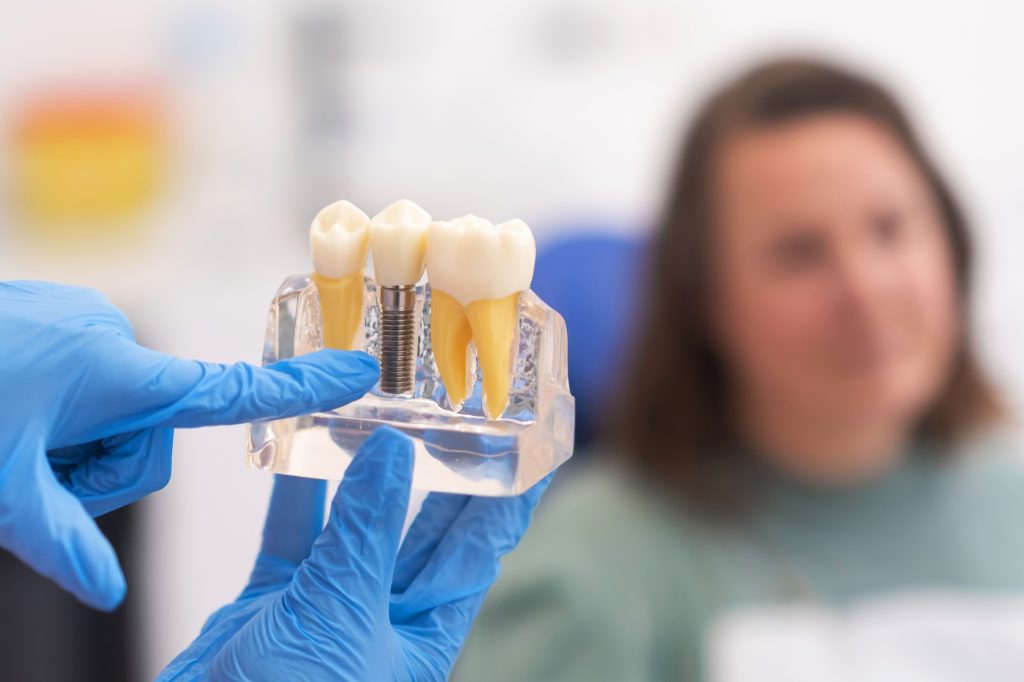
Okay, implants are a totally different animal. Instead of relying on neighbor teeth, an implant stands on its own – literally.
Picture a tiny titanium screw (about the size of a tooth root) that your oral surgeon places directly into your jawbone. Over the next few months, something pretty amazing happens: your bone actually grows around and fuses with that titanium post. Dentists call this osseointegration, but basically your body accepts the implant as part of itself.
Once that fusion is rock-solid, your dentist attaches an abutment (think of it as a connector piece) and then tops it off with a crown that looks and feels like your natural tooth.
The timeline requires patience. Figure 3-6 months start to finish – sometimes longer if you need bone grafting first. The actual surgery? Usually just one appointment. But then you’re waiting for that bone integration before getting your final crown.
Best candidates have good overall health, decent bone density in the jaw, and healthy gums. Non-smokers heal faster (just being real with you). And if you grind your teeth at night like half of us stressed-out professionals? Your dentist will probably recommend a night guard to protect your investment.
Comparing Longevity and Maintenance
Let’s talk lifespan, because this is where things get interesting.
Bridges typically last 10-15 years. Some people get 20 years out of them with excellent care, but that’s like expecting your teenager’s car to last forever – possible, but don’t count on it. The weak point? Those anchor teeth underneath can develop decay or the cement can wash out over time.
Implants? We’re looking at 25+ years, often a lifetime. The implant itself (that titanium post) can last forever. The crown on top might need replacing every 15-20 years, but that’s a simple swap – like changing tires on a car that runs forever.
Daily care differs too:
- Bridges need special floss threaders to clean underneath. Takes an extra minute morning and night
- Implants brush and floss like normal teeth. No special tools, no extra steps
Here’s a rough long-term cost breakdown over 30 years:
- Bridge route: Initial bridge ($3,000-5,000) + replacement at 15 years ($3,000-5,000) + potential anchor tooth issues = $8,000-15,000
- Implant route: Initial implant ($3,000-6,000) + possible crown replacement at 20 years ($1,000-2,000) = $4,000-8,000
Yeah, implants cost more upfront, but run the numbers over your lifetime. Especially if you’re in your 40s like most of our Morrison area families.
The Dental Bridge Process: What Morrison Area Patients Can Expect
Initial Consultation and Planning
Your first visit isn’t just about looking at that gap in your teeth – it’s about understanding how tooth replacement fits into your actual life.
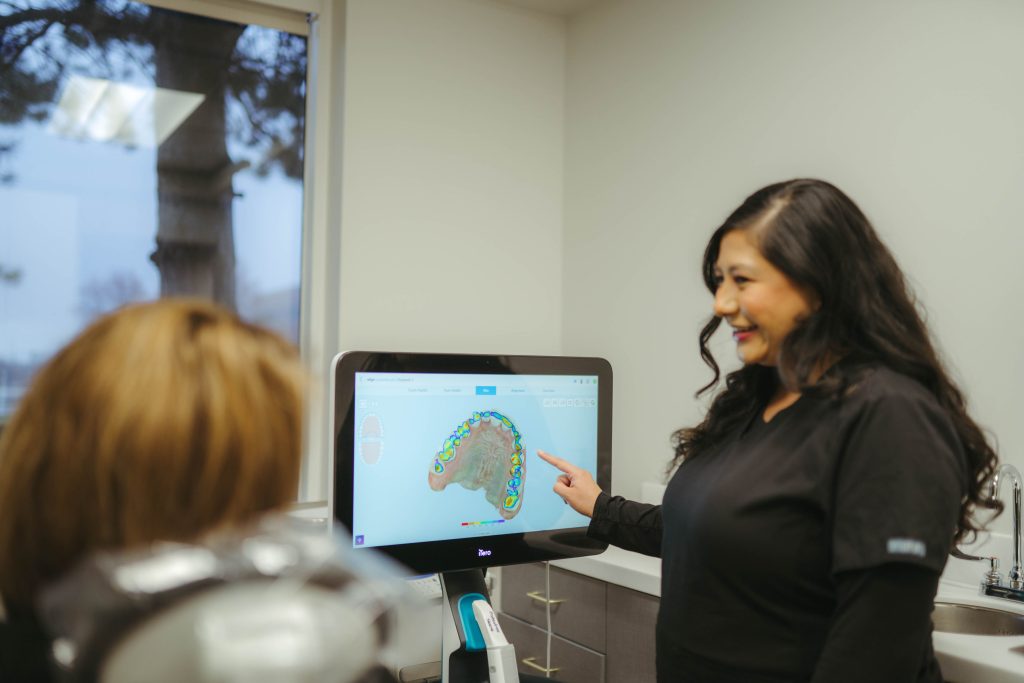
The exam starts with digital X-rays and probably a 3D scan (way cooler than it sounds). Your dentist needs to check if those anchor teeth are strong enough to support a bridge. Think of it like checking the foundation before adding a deck to your house.
Here’s what we really dig into: How does your lifestyle affect this decision? You mentioned you ski every winter weekend? We need to talk about that. Train for the Colfax Marathon every spring? That matters too. Because dehydration from endurance sports affects your oral health more than most people realize.
The money conversation happens upfront. Your dental insurance might cover 50% of a bridge (they often consider it “basic restorative”). We’ll call them while you’re here, get real numbers. Most practices near Morrison Road offer payment plans – breaking that $4,000 bridge into monthly chunks makes it manageable alongside your mortgage and car payments.
Timing-wise, we work around your life. Got a big presentation next month? Kid’s graduation coming up? We schedule accordingly. The whole process takes about three weeks, but we can expedite if needed.
Bridge Preparation and Placement
First appointment is the heavy lifting – about 90 minutes. After numbing (and yes, we have the good stuff that actually works), your dentist reshapes those anchor teeth. Not gonna lie, the sound is weird. Like when they’re doing construction at Bear Creek Lake Park – lots of drilling, but you don’t feel it.
They’ll take impressions – either with goop (old school) or a digital scanner (way better, no gagging). You leave with a temporary bridge that honestly looks pretty good. Can you eat normally? Mostly. Skip the sticky stuff and super hard foods. Your kids’ leftover Halloween candy? Probably not the best idea.
The lab creating your permanent bridge needs 2-3 weeks. They’re matching the color to your natural teeth, making sure the shape fits your bite perfectly. This isn’t off-the-shelf stuff – it’s custom fabricated just for your mouth.
Second appointment is easier – about an hour. Remove the temporary, try on the permanent bridge, make tiny adjustments. Your dentist checks your bite obsessively (annoying but important). Once everything’s perfect, they cement it in place.
That’s it. You’re done. Eat dinner normally that night.
Special Considerations for Active Lifestyles
Real talk for all of us Colorado outdoor enthusiasts: dental work and altitude activities don’t always mix well initially.
First 48 hours after placement, skip the intense workouts. That means no attacking the Apex Trail or grinding through CrossFit. Light walks around Belmar? Totally fine. Your body needs energy for healing, not PRs.
If you’re a skier or mountain biker, let’s discuss protection. A custom sports guard might be smart, especially if you’re hitting black diamonds or technical trails. Costs about $200 but way cheaper than replacing a damaged bridge.
Dietary adjustments during treatment are minimal but important:
- Week 1 with temporary: Softer foods, nothing too chewy
- After permanent placement: Wait 24 hours before normal eating
- Long-term: No restrictions, but use common sense (don’t open bottles with your teeth)
Recovery for busy professionals? Plan your appointments for Thursday or Friday. Take it easy over the weekend, back to normal by Monday. Most patients work the day after appointments – just avoid important video calls if you’re still a bit swollen.
Why West Lakewood Residents Choose Dental Implants
Long-Term Investment in Oral Health
Here’s what sold Michael, an engineer from Ken Caryl Ranch, on implants: they’re the only option that keeps your jawbone healthy.
When you lose a tooth, the bone underneath starts dissolving. Seriously. Within a year, you lose about 25% of that bone volume. A bridge sits on top of your gums – looks fine but does nothing for the bone underneath. An implant? It stimulates the bone just like a natural tooth root, keeping everything intact.
Plus, those healthy teeth next to your gap? Implants leave them alone. No filing, no crowns, no touching them at all. Sarah from earlier chose implants specifically because her adjacent teeth were perfectly healthy. Why mess with them?
The feel factor matters too. Bridge wearers sometimes say they’re always aware of it – like wearing a retainer. Implant patients forget which tooth is the implant. It feels that natural.
Success rates? Current research shows 98% success at 10 years. That’s better odds than your kid getting into their first-choice college. Just saying.
The Implant Journey: Timeline and Expectations
The evaluation starts with a CT scan – shows your bone in 3D, lets the surgeon plan everything precisely. Like using GPS instead of printed MapQuest directions.
Sometimes you need bone grafting first. Don’t panic – it’s common, especially if you’ve been missing the tooth for a while. Think of it as adding topsoil before planting. Adds 3-4 months to your timeline but sets you up for success.
Surgery day sounds scarier than it is. Most patients compare it to getting a filling, just longer. Local anesthetic for simple cases, sedation if you’re anxious. The actual implant placement? Maybe 30-45 minutes per tooth.
Here’s the waiting game part: 3-4 months for the implant to fuse with your bone. You’ll have a temporary tooth so no one knows you’re in treatment. During this time, eat normally on the other side, keep it clean, live your life.
Final crown placement is anticlimactic (in a good way). They remove the healing cap, attach the abutment, and cement or screw on your custom crown. One appointment, maybe an hour, done.
Managing Treatment Around Your Schedule
Virtual consultations changed everything. Get your initial assessment during lunch break, no driving to Morrison Road required. Upload your X-rays, discuss options, get your questions answered.
Surgery scheduling depends on your life. Summer might be perfect if you’re a teacher. Year-end for maximizing insurance benefits. Spring if you want to be healed before wedding season.
Recovery timing breaks down like this:
- Day 1-2: Take it easy, work from home if possible
- Day 3-5: Back to normal work, avoid strenuous exercise
- Week 2: Full activities resume
- Month 1-3: Healing happens while you live normally
For the final crown? That’s just a regular appointment. No recovery, no time off work, no disruption to your routine.
Making the Right Choice: Factors to Consider

Cost Comparison and Financial Planning
Let’s get real about money because pretending cost doesn’t matter helps nobody.
Dental Bridge Costs in West Lakewood:
- Basic 3-unit bridge: $3,000-5,000
- Porcelain/ceramic (looks better): $4,000-6,000
- Insurance typically covers 50% after deductible
- Full payment due when treatment completes
Dental Implant Costs:
- Single implant with crown: $3,500-6,000
- Additional for bone graft: $500-3,000
- Insurance coverage varies wildly (some consider it “cosmetic”)
- Can spread cost over treatment timeline (months)
But here’s where it gets interesting – the 10-year math:
Bridge Route Year-by-Year:
- Year 1: $4,500 (initial bridge)
- Years 2-10: $100/year (special cleaning supplies)
- Year 11: $500-1,000 (potential anchor tooth issues)
- Year 15: $4,500 (replacement bridge)
- Total: $10,100
Implant Route Year-by-Year:
- Year 1: $5,000 (implant and crown)
- Years 2-10: $0 (normal hygiene supplies)
- Year 15: Maybe $1,500 (crown replacement)
- Total: $6,500
Payment plan reality: Most practices offer 12-24 month plans. CareCredit gives longer terms but watch the interest. Some offices do in-house payment plans – worth asking.
HSA/FSA eligible? Absolutely. Both procedures qualify. Smart move: contribute enough to your FSA to cover the cost, save 20-30% through tax savings.
Your Lifestyle and Treatment Choice
Your daily life should drive this decision, not the other way around.
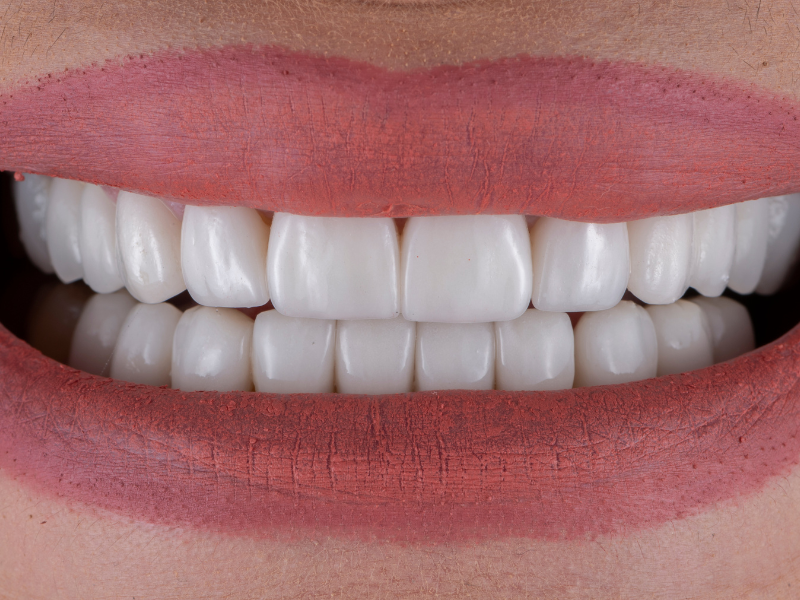
Professional appearance matters? Both look great, but implants win for natural appearance. Nobody – and I mean nobody – can tell it’s not your real tooth. Bridges, especially in front, sometimes show a slight shadow at the gum line.
For athletes and weekend warriors, consider this: Bridges require babying during contact sports. Implants? Once healed, they’re as tough as natural teeth. Local rugby player chose implants specifically so he wouldn’t worry during games.
Travel frequently for work? Implants win again. No special cleaning tools for your carry-on. Bridge broke while you’re at a conference in Boston? Good luck finding emergency dental care.
Food lovers, listen up: Bridges mean avoiding sticky foods forever. Caramels, taffy, even crusty bread can be problematic. Implants? Eat whatever you want. That amazing pizza at Pietra’s? No problem.
Age factors:
- Under 30? Might wait on implants (jaw still changing)
- 40s-50s? Perfect implant timing
- Over 65? Bridges might make more sense (faster process)
Health Factors and Candidacy
Not everyone’s a candidate for everything. Let’s be honest about what affects your options.
Bone density – the big one for implants. Lost the tooth years ago? Bone might be too thin. Fixable with grafting, but adds time and cost. Bridges don’t care about bone – just need solid anchor teeth.
Gum health – both options need healthy gums. Active periodontal disease? Neither option works until that’s controlled. The good news: treating gum disease usually takes just a few weeks.
Medical conditions affecting choice:
- Diabetes: Controlled is fine, uncontrolled affects implant healing
- Osteoporosis: Certain medications interfere with implants
- Heart conditions: Both fine, just need antibiotic coverage
- Autoimmune disorders: Might slow implant healing
Smoking? Here’s the truth – doubles implant failure risk. Bridges aren’t affected as much. Vaping counts as smoking for healing purposes. Most surgeons want you quit for at least two weeks before and after surgery.
Medications matter:
- Blood thinners: Manageable with planning
- Bisphosphonates (bone meds): Major implant concern
- Immunosuppressants: Affect healing time
Convenient Dental Care for Red Rocks Area Families
Our West Lakewood Location Advantage
Location matters when you’re dealing with multiple appointments. Driving to downtown Denver for dental work while juggling work and family? Nobody has time for that.
Practices along the Morrison Road corridor get it. Parking that’s actually free and available. Appointments that work around school pickup times. Late hours for those of us who can’t leave work early.
Evening availability changes everything. That 6 PM slot after daycare pickup? Perfect. Saturday mornings while kids are at sports? Even better. Some practices near Belmar offer 7 AM starts – done before work.
Family scheduling coordination is huge. Book everyone back-to-back, knock out cleanings in one trip. Kids can do homework in the waiting room while you’re getting your bridge adjusted.
Accessibility isn’t just ramps and elevators (though those matter). It’s also understanding that some days, between work deadlines and soccer practice, you might be five minutes late. West Lakewood practices tend to be more flexible than downtown clinics.
Why Local Matters for Dental Treatment
When something goes wrong with your bridge at 8 PM on a Tuesday (because of course it does), you need someone who answers the phone. Local practices often give out cell numbers for real emergencies. Try getting that from a dental chain.
Continuity makes everything smoother. Same hygienist who knows your teeth. Same front desk person who remembers your insurance always needs that weird form. Same dentist who knows you hate the sound of drilling and always offers headphones.
Community reputation is real. You run into your dentist at King Soopers. Their kids go to school with yours. They sponsor your local Little League team. That accountability matters when you’re trusting someone with your health.
Supporting local healthcare keeps quality providers in our community. Every time someone drives to Cherry Creek for dental work, it makes it harder for West Lakewood practices to invest in new technology, extended hours, better services.
Area-specific understanding counts. Your dentist knows you’re training for the Slacker Half Marathon. They get that everyone’s stressed during Broncos season. They understand that “I’ll come after ski season” really means April.
Your Next Steps Toward a Complete Smile
Making Your Decision with Confidence
After all this information, you might be thinking, “Okay, but which one is actually right for me?”
Here’s a simple framework that’s helped hundreds of West Lakewood neighbors make this choice:
Choose a bridge if:
- You need teeth replaced within the next month
- Your anchor teeth need crowns anyway
- Your budget absolutely maxes out at $5,000
- You’re okay with replacement in 10-15 years
- You have medical conditions that complicate surgery
Choose an implant if:
- You’re planning for the next 20+ years
- Your adjacent teeth are healthy
- You want the most natural look and feel
- You’re willing to invest more upfront for lower lifetime costs
- Your bone density is good (or fixable)
Still unsure? That’s normal. Most people need a professional evaluation to know for sure. X-rays tell the real story about your bone, your roots, your options.
Taking Action (Without the Pressure)
Look, nobody wakes up excited about dental decisions. But you know what is exciting? Six months from now, laughing at your kid’s joke without covering your mouth. Biting into an apple at the Lakewood Farmers Market without thinking twice. Smiling in that family photo at Red Rocks.
The hardest part isn’t the procedure – it’s making the first phone call.
Here’s what happens when you reach out for a consultation:
- No lecture about waiting too long
- No pressure to decide that day
- Just honest answers about your specific situation
- Real numbers for your insurance
- A timeline that works with your life
Your Smile, Your Timeline
Remember Sarah from the beginning? She ended up choosing an implant. The deciding factor wasn’t the longevity or the aesthetics – it was her oral surgeon showing her a photo of another mom who’d had the same procedure and was back hiking the Mesa Trail two days later.
Your story will be different. Maybe you need that bridge ASAP for your daughter’s wedding next month. Maybe you’ve got time to plan for implants, maximizing insurance benefits across two calendar years. Maybe you’re still researching, and that’s perfectly fine.
Whatever you choose, stop letting a missing tooth dictate your life. You live in one of Colorado’s most beautiful areas, surrounded by reasons to smile. From those stunning sunsets over the mountains to your kid’s terrible knock-knock jokes, life’s too short to hide your happiness.
West Lakewood has excellent dental practices ready to help you reclaim your smile. Whether you’re coming from Green Mountain, Morrison, or anywhere along the 6th Avenue corridor, quality tooth replacement is closer than you think.
The question isn’t whether you should replace that missing tooth – it’s which option gets you back to living fully fastest. And now you have the knowledge to make that choice with confidence.
Frequently Asked Questions About Tooth Replacement
Can a dental bridge be replaced with an implant?
Yes, a dental bridge can be replaced with a dental implant in most cases. The process involves removing your existing bridge, evaluating the supporting teeth and bone density, potentially adding bone grafting if needed (3-6 months healing), placing the implant (3-4 month integration period), and finally attaching your permanent crown. The total timeline runs 4-9 months, but success rates exceed 95% with proper bone density. Those anchor teeth that were filed down for your bridge might need individual crowns, but many West Lakewood patients find the long-term benefits worth it. For comprehensive implant options and evaluation, check out our dental implant restoration services.
How long do dental bridges last compared to implants?
Dental bridges typically give you 10-15 years of service, though some last 20 years with exceptional care. Implants blow that out of the water – the titanium post can last your lifetime, with only the crown potentially needing replacement after 15-20 years. Think of it this way: if you’re 42 like many Morrison area parents, a bridge might need replacing twice before retirement, while an implant could be a one-and-done solution.
What’s the recovery time for dental implants vs bridges?
Bridges win the speed race hands down. You’re looking at 2-3 weeks total, with minimal downtime. Maybe some sensitivity after the first appointment, but nothing that keeps you from work or your kids’ activities. Implants play the long game – surgery recovery takes about a week (back to work in 2-3 days, full activities by week two), but then you’re waiting 3-4 months for bone integration. The good news? That waiting period doesn’t affect your daily life at all.
Can I get a bridge if I have gum disease?
Not until the gum disease gets under control. Both bridges and implants need healthy gums as a foundation. Active periodontal disease means bacteria that can cause bridge failure or implant rejection. The silver lining? Treating gum disease usually takes just a few weeks with proper care. Once your gums are healthy, you’re good to go for either option.
Are dental implants safe for people with diabetes?
Controlled diabetes? Generally yes. Uncontrolled diabetes with blood sugar swinging all over? That’s when we need to pause. High blood sugar interferes with healing and increases infection risk. Most West Lakewood implant specialists want your A1C under 7% before surgery. Work with your primary care doctor to get those numbers stable, then implants become a viable option.
How much do bridges and implants cost with insurance?
Insurance typically covers 50% of bridges after your deductible since they consider it “basic restorative” work. So that $4,000 bridge becomes $2,000 out of pocket. Implants get trickier – some plans call them “cosmetic” and cover nothing, while others treat them like bridges. Best bet? Have your dental office run a pre-authorization before treatment. Most Morrison Road practices will handle this paperwork for you.
Can I play sports with a dental bridge or implant?
With a bridge, contact sports need some caution. A good mouthguard is non-negotiable for hockey, basketball, mountain biking on technical trails. Implants, once fully healed, are tough as natural teeth. That local rugby player I mentioned? Three implants, zero problems. Just protect them like you would your natural teeth.
What happens to the teeth under a bridge?
Those anchor teeth get permanently altered – filed down to posts that hold the bridge. They’re protected by the bridge crowns, but they’re still vulnerable to decay at the gum line if you’re not careful with cleaning. About 15% of bridge failures happen because of problems with these anchor teeth. That’s why some people choose implants to leave healthy adjacent teeth alone.
Do dental implants hurt?
Most patients compare implant surgery to getting a filling, just longer. You’re numb for the procedure, maybe some pressure but no pain. Post-surgery? Think wisdom tooth extraction but easier. Most people manage with ibuprofen for a few days. The bone integration phase? You won’t even know it’s happening.
How do I clean under a dental bridge?
Special floss threaders or water flossers become your new best friends. Thread the floss under the bridge daily to prevent food buildup and gum problems. Takes an extra minute morning and night. Some patients love those tiny interdental brushes too. Your hygienist will show you the exact technique at your next cleaning.
Can smokers get dental implants?
Technically yes, but here’s the reality check: smoking doubles your implant failure risk. Most oral surgeons want you to quit for at least two weeks before and after surgery. Vaping counts as smoking for healing purposes. Some practices won’t do implants for heavy smokers at all. Bridges don’t have the same healing concerns, making them a better option if you can’t quit.
What’s better for front teeth – bridges or implants?
For that perfect smile in your LinkedIn photo? Implants edge out bridges for front teeth. No visible metal at the gum line, no shadow, just a natural-looking tooth. Bridges can look great too, but in certain lighting or angles, you might notice a slight difference at the gum line. For back teeth where aesthetics matter less? Either works fine.
Ready to Explore Your Options?
Schedule Your Free Tooth Replacement Consultation Today
No strings attached. No pressure. Just answers specific to your situation. Bring your questions, your concerns, and your calendar. We’ll figure out the rest together.
Because you deserve to stop thinking about that gap in your teeth and start thinking about all the reasons to show off your smile.
Have questions about dental bridges or implants? Living in West Lakewood, Morrison, or the surrounding areas? Don’t wait another month wondering about your options. Professional tooth replacement consultation can map out your path to a complete smile – one that fits your lifestyle, timeline, and budget.
Call today or book online – evening and Saturday appointments available for busy families.