
When considering restorative dental treatments, understanding the cost differences between dental implants and alternative solutions is essential. Dental procedures are a significant investment, and making an informed decision ensures long-term satisfaction and value. In this guide, we’ll break down the costs, benefits, and considerations for dental implants compared to other solutions like dentures and bridges.
What Are Dental Implants?
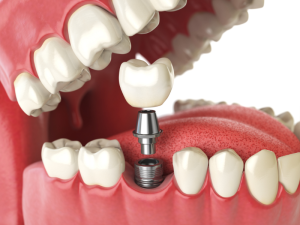
Definition and Components of Dental Implants
Dental implants are a long-term solution for replacing missing teeth. They consist of three primary components:
- Implant: A titanium or zirconia post surgically placed in the jawbone.
- Abutment: A connector that secures the implant to the crown.
- Crown: The visible, tooth-like part of the restoration, often made from porcelain or ceramic.
The procedure for dental implants typically unfolds over several months, including initial assessments, surgery, healing time, and crown placement.
Benefits of Dental Implants Beyond Cost
While the upfront costs of dental implants may seem high, they provide unparalleled benefits:
- Longevity: Implants can last a lifetime with proper care.
- Functionality: They mimic natural teeth in strength and stability.
- Aesthetics: Dental implants look and feel like natural teeth.
Alternative Dental Solutions to Consider
Dentures

Dentures are removable appliances used to replace missing teeth. They come in two main types:
- Partial Dentures: Replace one or several missing teeth.
- Full Dentures: Replace all teeth in the upper or lower jaw.
Cost Overview:
- Initial costs are lower than dental implants, often ranging from $600 to $2,500 per arch.
- Ongoing costs include adjustments, relining, and replacements every 5–10 years.
Pros and Cons:
- Affordable and accessible.
- Less stable and can significantly impact eating and speaking.
Dental Bridges

Dental bridges are fixed restorations that fill gaps caused by missing teeth. Options include traditional and implant-supported bridges.
Cost Overview:
- Traditional bridges range from $2,000 to $5,000 for a single unit.
- Implant-supported bridges can cost $5,000 or more.

Pros and Cons:
- Functional and aesthetically pleasing.
- Requires alteration of adjacent healthy teeth in traditional bridges.
Temporary Solutions (e.g., Snap-On Smile)
Temporary or cosmetic options like Snap-On Smile provide a quick fix for missing teeth.
Cost Overview:
- Typically costs between $1,000 and $3,500.
Pros and Cons:
- Affordable and non-invasive.
- Not a durable or permanent solution.
Factors That Influence the Cost of Dental Implants
Material Costs
The materials used can significantly impact costs:
- Titanium vs. Zirconia: Titanium is more common, while zirconia offers a metal-free alternative.
- Crown Materials: Ceramic and porcelain crowns are popular for their natural appearance, but they come at a higher cost.
Additional Procedures
- Bone Grafting: Required when the jawbone lacks sufficient density, costing $500 to $3,000.
- Sinus Lifts: Necessary for implants in the upper jaw, costing $1,500 to $3,000.
- Tooth Extractions: May add $175 to $500 per tooth to the total cost.
Geographic Location and Provider Expertise
Costs can vary widely based on your location and the dentist’s experience. Urban areas and specialists with advanced credentials may charge higher fees.
Comparing Lifetime Costs: Implants vs. Alternatives

Initial Costs
| Treatment | Initial Cost Range |
|---|---|
| Dental Implants | $3,000–$6,000 per tooth |
| Dentures | $600–$2,500 per arch |
| Dental Bridges | $2,000–$5,000 |
Maintenance Costs
- Dental Implants: Minimal, as they’re designed to last decades.
- Dentures: Regular relining and replacements increase costs over time.
- Bridges: Require replacements every 10–15 years on average.
Longevity and Value
Dental implants offer the highest return on investment over a lifetime. While alternatives may seem cheaper initially, their cumulative costs and limited functionality often make implants the more cost-effective choice.
Insurance Coverage and Financing Options
What Does Insurance Typically Cover?
Many insurance plans offer partial coverage for dentures and bridges but provide limited or no coverage for dental implants. Some plans, however, cover associated procedures like extractions or bone grafts.
Financing Plans for Dental Care
Flexible financing options, including payment plans and healthcare credit cards, make dental implants and other solutions more accessible. Patients should inquire about available plans during consultations.
Which Option Is Right for You?
Key Considerations for Patients
When deciding between implants and alternatives, consider:
- Long-Term Goals: Are you looking for a permanent solution or a temporary fix?
- Budget: Factor in both initial and lifetime costs.
- Lifestyle: Prioritize functionality and comfort.
Consulting with Your Dentist
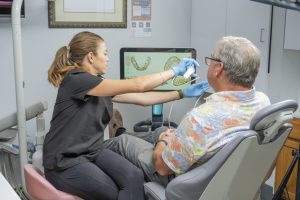
Every patient’s needs are unique. A personalized consultation with your dentist can help determine the best solution for your smile and budget.
Call us Today!

Dental implants, dentures, and bridges each offer distinct benefits and drawbacks. While implants involve higher upfront costs, their longevity and functionality often make them the superior choice in the long run. To explore your options and find the best fit for your needs, schedule a consultation with Balanced Dental Studio today. Let’s work together to create a solution that restores your confidence and your smile!
FAQ
Q: How much do dental implants cost in Lakewood, CO? A: Dental implants typically range from $3,000 to $6,000 per tooth. The final cost depends on factors like materials used, additional procedures needed, and your specific treatment plan. Our team provides detailed cost estimates during your consultation.
Q: Are dental implants covered by insurance? A: While many insurance plans provide limited coverage for dental implants, they often cover associated procedures like extractions or bone grafts. We work with various insurance providers and offer financing options to make treatment accessible.
Q: How long do dental implants last compared to dentures or bridges? A: Dental implants can last a lifetime with proper care, while dentures typically need replacement every 5-10 years and bridges every 10-15 years. This longevity makes implants cost-effective over time despite higher upfront costs.
Q: What additional procedures might I need with dental implants? A: Some patients require bone grafting ($500-$3,000) or sinus lifts ($1,500-$3,000) to ensure sufficient bone density for implant placement. We perform comprehensive evaluations using 3D dental imaging to determine your specific needs.
Q: Can I get same-day dental implants in Lakewood? A: Depending on your oral health and bone density, immediate implant placement may be possible. We offer comprehensive dental exams and 3D imaging to determine if you’re a candidate for accelerated treatment.
Q: What makes dental implants better than dentures? A: Unlike dentures, dental implants don’t slip or require adhesives, allow you to eat all foods comfortably, and help preserve jawbone structure. They look and function exactly like natural teeth.
Q: Do you offer financing for dental implant treatment? A: Yes, we provide flexible financing options and payment plans to help make dental implant treatment affordable. Our team can discuss various options during your consultation.
Q: How do I know if I’m a good candidate for dental implants? A: Good candidates have adequate bone density, healthy gums, and good overall health. We offer comprehensive dental exams and 3D dental imaging to evaluate your suitability for implant treatment.