When your child came home from their dental checkup with several cavities, your heart sank at the thought of drilling and potential discomfort. You’re not alone—nearly 90% of adults and 42% of children in the United States have experienced tooth decay. The question many Lakewood parents bring to our office is increasingly common: “Are there alternatives to drilling for treating cavities?”

The encouraging answer is yes. Modern dentistry has evolved far beyond the “drill and fill” approach of previous generations. Today, minimally invasive techniques can address early-stage decay without drills, preserving healthy tooth structure and reducing anxiety—especially important for children who’ve had cavity issues at recent check-ups.
At Balanced Dental Studio in Lakewood, we understand that busy professionals want evidence-based, conservative treatment options that align with a wellness-focused lifestyle. Our approach emphasizes prevention first, but when decay does occur, we offer several non-invasive alternatives.
In this guide, we’ll explore science-backed methods for treating cavities without drilling, including Silver Diamine Fluoride, Icon Resin Infiltration, and innovative new options like Vvardis that are changing how we manage early decay.
How to Treat Cavities Without Drilling: Non-Invasive Options

Modern dentistry offers several effective ways to treat early cavities without drilling:
- Silver Diamine Fluoride (SDF): A liquid treatment applied directly to cavity-affected areas that kills decay-causing bacteria and remineralizes tooth structure. Treatment takes minutes but may cause dark staining.
- Icon Resin Infiltration: A procedure where tooth-colored resin fills microscopic pores in the enamel after preparation with a mild acid gel. Ideal for white spot lesions and early cavities between teeth.
- Fluoride Treatments: Professional-strength fluoride varnishes can remineralize enamel and reverse very early decay when applied regularly.
- Dental Sealants: Protective coatings applied to cavity-prone surfaces, particularly effective for preventing pit and fissure cavities on molars.
- Biomimetic Remineralization Products: Innovative formulations like Vvardis work by delivering minerals that strengthen tooth structure and create a protective barrier against bacteria.
These non-invasive approaches are most effective on early-stage cavities that haven’t reached the dentin layer of the tooth.
Understanding Cavities and When They Can Be Treated Without Drilling
The Tooth Decay Process Explained
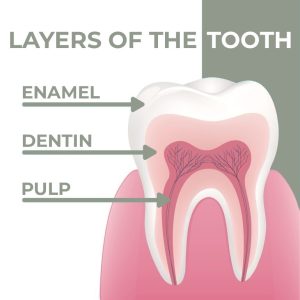
Your teeth are constantly going through a process of losing and gaining minerals. When you eat or drink, especially things with sugar or carbs, the bacteria in your mouth create acids that pull minerals from your teeth. This is demineralization. But your mouth naturally fights back through remineralization – where minerals like calcium and phosphate work to repair this damage.
Tooth decay happens when demineralization wins this battle. The process happens in stages. First, you might see white spots on your teeth – these are areas where minerals have been lost but the damage isn’t permanent yet. Then, if things continue, the enamel starts to break down, creating a cavity that will eventually reach the dentin (the softer layer beneath your enamel).
Here’s where things get interesting – those early white spot lesions? They can actually heal. About 46% of early enamel cavities can be reversed without drilling if caught soon enough. Once decay reaches the dentin, though, drilling typically becomes necessary.
Signs Your Cavity Might Be Treatable Without Drilling
How can you tell if your cavity might qualify for no-drill treatment? Look for these signs:
- White spots or chalky areas on teeth (especially noticeable when teeth are dry)
- Light brown discoloration that hasn’t created a visible hole
- Mild sensitivity to sweets or cold that goes away quickly
- Areas that feel slightly rough when you run your tongue over them
Warning signs that usually mean the cavity has progressed beyond non-drill options include:
- Dark brown or black spots on the tooth
- Visible holes or pits you can feel with your tongue
- Pain when biting down or lingering pain after eating
- Sensitivity that keeps you up at night
Only a dentist can truly determine if your cavity can be treated without drilling. Using specialized tools like the DIAGNOdent laser cavity detection system, we can measure exactly how far decay has progressed and recommend the right approach.
Parent Quick Take: If your child has white spots on their teeth or mild discoloration without pain, ask your dentist about non-drill options before automatically scheduling a filling.
Silver Diamine Fluoride (SDF): A Game-Changer for Non-Invasive Cavity Treatment
How SDF Works to Stop Cavity Progression
Silver Diamine Fluoride might sound like something from a sci-fi movie, but it’s actually a clear liquid that packs a powerful punch against cavities. When applied to a cavity, SDF does two things at once: the silver component kills the bacteria causing the decay, while the fluoride helps remineralize and strengthen the tooth.
The results? In clinical studies, just one application of SDF stopped cavity progression in 80% of treated teeth. After two applications, that number jumps to over 90% effectiveness. Most exciting for busy parents – the whole process takes about 60 seconds per tooth.
The downside? SDF causes permanent dark staining of the decayed area. On back teeth, this isn’t usually noticeable, but on front teeth, it’s definitely a consideration.
Before and after SDF treatment, you’ll typically see the cavity area turn dark brown or black. This staining actually shows it’s working – the silver is reacting with the decay. The healthy tooth structure around it stays the same color.
Ideal Candidates for SDF Treatment
SDF isn’t right for everyone, but it’s perfect for:
- Young children who might have trouble sitting through traditional drilling procedures
- Toddlers with early childhood cavities who are too young for extensive treatment
- Teens or adults with cavities on back teeth where aesthetics aren’t a major concern
- People with dental anxiety who want to avoid drilling
- Busy parents like Emma who need quick, effective treatment for their kids with minimal disruption to packed schedules
For Sophie, who’s had several cavities at her last check-up, SDF could be an excellent option to stop decay in its tracks without the stress of drilling.
SDF works best on:
- Cavities on baby teeth that will eventually fall out
- Back teeth where the dark staining won’t show when smiling
- Multiple early cavities that need quick intervention
- Pit and fissure cavities on the chewing surfaces
The SDF Treatment Process at Our Lakewood Dental Practice
When you come in for SDF treatment, here’s what to expect:
- First, we’ll clean and dry the affected tooth
- Cotton rolls or a dental dam might be placed to keep the area dry and protect other tissues
- A tiny amount of SDF liquid is applied directly to the cavity using a micro-brush
- The area is allowed to dry for about one minute
- That’s it! No drilling, no numbing, no stress
The whole appointment typically takes less than 30 minutes from start to finish – perfect for fitting in over a lunch break or between school and soccer practice.
After SDF treatment, we recommend:
- Not eating or drinking for one hour
- Avoiding brushing the treated area until the next day
- Coming back for a follow-up in 2-4 weeks to check the treatment’s effectiveness
- Possible reapplication every 6-12 months until the baby tooth falls out or a more permanent solution is placed
Parent Quick Take: SDF is often covered by insurance as a preventive treatment, making it both a time-saver and potentially cost-effective for families. Ask about coverage during your consultation.
Icon Resin Infiltration: Aesthetic Cavity Treatment Without Drilling
The Science Behind Resin Infiltration Technology
Imagine being able to stop an early cavity and make it invisible at the same time. That’s the magic of Icon Resin Infiltration. Unlike SDF, which stains the decay dark, Icon creates a virtually invisible repair that blends with your natural tooth.
The science is pretty cool – Icon uses a special resin that’s super-fluid, able to penetrate deep into the microscopic pores created by early decay. Once it flows in, it’s hardened with a special light, creating a physical barrier that blocks acids and minerals from continuing the decay process.
What makes Icon different from traditional fillings is that it doesn’t require removing healthy tooth structure. Instead, it seals the decay where it is, stopping it in its tracks. Research shows Icon treatments can last 2+ years on smooth surfaces and potentially much longer between teeth.
Think of it like filling the tiny cracks in a piece of wood with clear sealant – you’re not removing material, just reinforcing what’s already there.
Visual Results of Icon Treatment
When you see an Icon treatment in action, the results can be pretty dramatic. Those white spot lesions that worried you on your teenager’s front teeth? They can virtually disappear during a single appointment. For professionals who worry about appearing polished during client presentations, Icon offers an aesthetic solution that drilling simply can’t match.
The procedure takes about 40-60 minutes per treated area, but requires no numbing, no drilling, and no removal of healthy tooth structure. The tooth is simply cleaned, prepared with a gentle acid gel to open the pores, thoroughly dried, and then infiltrated with the resin solution before being hardened with light.
Perfect Scenarios for Icon Resin Infiltration
Icon works amazingly well for:
- Those annoying white spots that show up on front teeth
- Small cavities between teeth (where they often hide from view)
- After braces come off, when white spots might appear
- Adults who want invisible treatment for early decay in visible areas
For Michael, who’s been putting off dealing with those white spots that showed up after his braces, Icon could be the perfect solution – conservative treatment that preserves his professional appearance without downtime.
The Icon Treatment Experience
When you come in for Icon treatment, here’s what to expect:
First, we clean the tooth surface thoroughly. Next, a special gel is applied to open up the pores of the enamel where the early decay is happening. This gel is rinsed away after a couple minutes. Then comes the cool part – the Icon resin is applied and allowed to soak in for about 3 minutes, filling those microscopic pores. A special light hardens the resin, and that’s it!
No drilling means no need for numbing – patients typically feel nothing during the treatment except perhaps a little pressure. You can eat and drink normally right after the appointment, and there’s no sensitivity afterward.
The results are immediate – white spots fade or disappear during the treatment itself. For early cavities between teeth, the decay process stops, though the visual change isn’t as noticeable since these areas are hidden from view.
For maintaining your Icon treatment, just brush and floss as normal. The infiltrated areas are resistant to new decay, but the rest of the tooth still needs your care.
Parent Quick Take: Icon is ideal for image-conscious teens and adults who want their teeth to look natural without compromising tooth structure. It’s especially popular for treating post-braces white spots.
Emerging Technologies in Non-Invasive Cavity Treatment
Introducing Innovative Remineralization Products
The dental world is always evolving, and one of the most exciting new players is Vvardis, a biomimetic technology that’s changing how we think about tooth repair. Unlike traditional fluoride that works on the tooth surface, Vvardis uses peptides – tiny protein fragments – that actually mimic the natural building blocks of teeth.
These peptides help attract calcium and phosphate to damaged areas, essentially teaching your body to rebuild tooth structure in a way that’s more like natural enamel. Pretty amazing, right?
The approach is different from fluoride treatments because it doesn’t just harden the outer surface – it works to restore the actual mineral structure throughout the enamel in a way that’s more like your natural tooth.
For Emma, who values natural approaches aligned with her wellness-focused lifestyle, these biomimetic technologies offer an exciting middle ground between traditional dentistry and the holistic approach she prefers for her family.
Combining Approaches for Optimal Results
The truth is, the best cavity treatment plan often combines several of these approaches. We might recommend:
- Professional-strength fluoride varnish for Aiden, who’s at that cavity-prone early teen stage
- Icon treatment for Michael’s post-orthodontic white spots
- SDF for Sophie’s small cavities on baby molars
- Regular monitoring with our early detection technology for Emma, who’s experiencing some sensitivity
This personalized approach allows us to address each family member’s specific needs while respecting Emma’s desire for conservative, wellness-oriented dental care.
Imagine a parent’s relief when she learns that her daughter’s cavities can be stopped without drilling, and that she can schedule the entire family’s treatments in just two visits. For a marketing director juggling client deadlines and children’s activities, this kind of efficient, effective care makes all the difference.
The key to making these non-invasive treatments work? Catching decay early, before it progresses too far. Regular check-ups with advanced cavity detection technology can spot decay in its earliest stages when these conservative approaches work best.
Making the Right Choice for Your Family’s Dental Health
Factors to Consider When Choosing Non-Drill Options

Deciding on the right cavity treatment approach involves several considerations:
- Location of the cavity – Is it visible when smiling or hidden on a back tooth?
- Age of the patient – Is it a baby tooth that will fall out or a permanent tooth?
- Cooperation level – Can your child sit still for a 45-minute Icon procedure, or would a 1-minute SDF application be better?
- Aesthetic concerns – Is the dark staining from SDF acceptable, or is the invisible repair of Icon preferred?
- Long-term plans – Is this a temporary solution until the child is older, or the final treatment?
- Cost and insurance coverage – SDF treatments are typically less expensive than Icon, and may have different coverage levels
For busy families, convenience factors in too. SDF treatments can be completed in minutes during a lunch break, while Icon might require a longer appointment.
Having a Productive Conversation With Your Dentist
When discussing non-drill options with your Lakewood dentist, consider asking:
- “How far has the decay progressed, and is it still a candidate for non-invasive treatment?”
- “What are the success rates for this approach with a cavity of this size and location?”
- “How many times have you performed this procedure, and what results have you seen?”
- “What happens if the non-invasive approach doesn’t work? What’s our backup plan?”
- “What kind of follow-up will we need to ensure the treatment is working?”
It’s also important to understand that sometimes, especially with deeper cavities, traditional drilling and filling may still be the most appropriate treatment. A good dentist will honestly tell you when non-invasive options aren’t likely to succeed.
At Balanced Dental Studio in Lakewood, we’ll walk you through all your options, using photos and models to help you truly understand the recommended treatment plan. No rushing, no pressure – just clear information to help you make the best choice for your family.
Preventing Future Cavities: The Ultimate Non-Drill Approach
The Busy Parent’s Guide to Effective Cavity Prevention

The best cavity treatment is prevention, but let’s be real – busy families need practical solutions that fit into already-packed schedules.
Try these realistic approaches:
- Morning rush? Keep a second set of quality toothbrushes in the kitchen or downstairs bathroom so kids can brush while waiting for breakfast
- Make technology work for you – electric toothbrushes with timers and apps can make brushing fun and effective for kids
- Swap juice boxes for water bottles with fun infusions (cucumber, berries, or mint leaves)
- Keep xylitol mints or gum in your car for after-school snacks when brushing isn’t possible
- Choose snacks that actually help teeth – cheese, nuts, and crunchy vegetables actually help remineralize enamel
For Michael’s sleep apnea (which often leads to dry mouth and increased cavity risk), we might recommend a special rinse to use before bed to protect his teeth overnight.
Nutrition plays a huge role in cavity prevention. Emma already shops at Whole Foods and farmers markets, which is great. Focus on calcium-rich foods (yogurt, cheese, leafy greens) and limit not just sugar but also acidic foods and drinks that can weaken enamel.
Families that implement these simple prevention strategies often see dramatic reductions in new cavities – up to 80% fewer cavities year over year in our Lakewood practice.
Parent Quick Take: The most effective cavity prevention happens in small daily choices, not just twice-yearly dental visits. Find prevention habits that realistically work for your family’s lifestyle.
Schedule Your Family’s Non-Drill Cavity Assessment

Ready to explore non-invasive cavity treatment options for your family? At Balanced Dental Studio in Lakewood, we specialize in conservative, wellness-focused dental care that respects your time and priorities.
During your assessment, we’ll:
- Use advanced cavity detection technology to precisely measure decay progression
- Discuss all applicable treatment options, from SDF to Icon to Vvardis
- Create a personalized treatment plan that addresses each family member’s specific needs
- Provide clear information about insurance coverage and payment options
- Answer all your questions about these innovative approaches
For parents juggling work presentations and children’s activities, our efficient scheduling means you can fit quality dental care into your packed calendar without sacrificing results.
Your family deserves dental care that aligns with your wellness-focused lifestyle. Conservative, non-invasive cavity treatment isn’t just possible – at Balanced Dental Studio, it’s our specialty.
Balanced Dental Studio 7373 W Jefferson Ave STE 104, Lakewood, CO 80235 – (303) 989-3192
Frequently Asked Questions About Natural Cavity Healing
Can cavities heal naturally without fillings?
Yes, very early-stage cavities limited to the enamel layer can potentially heal naturally through a process called remineralization. This occurs when minerals like calcium and phosphate from your saliva and fluoride treatments repair weakened areas. However, this natural healing only works for the earliest stages of decay before a physical hole or cavity forms in the tooth. Once decay progresses beyond the enamel into the dentin layer, professional treatment becomes necessary to stop the decay process.
How can you heal a cavity naturally at home?
While you can support the remineralization process at home, true “healing” of cavities requires a combination of professional care and home management. To support enamel remineralization at home: maintain excellent oral hygiene with fluoride toothpaste, reduce sugary and acidic foods in your diet, stay hydrated to maintain saliva production, use a fluoride mouthwash, and consider xylitol products that help neutralize acids. For more established cavities, professional treatments like fluoride varnish, SDF, or Icon resin infiltration are necessary.
What is VVARDIS technology and how does it help repair teeth?
VVARDIS represents one of the most advanced biomimetic approaches to enamel repair available today. This innovative technology uses peptides that mimic the natural building blocks of tooth structure to attract calcium and phosphate minerals to damaged areas. Unlike traditional treatments that simply harden the outer surface, VVARDIS works at a molecular level to help rebuild tooth structure in a way that’s more similar to natural enamel. To learn more about this groundbreaking technology and how it could benefit your family, read our detailed article on Advanced VVARDIS Technology for Enamel Repair.
When is traditional restorative dentistry still necessary for cavities?
While non-invasive treatments are excellent for early-stage cavities, traditional restorative approaches are still necessary when: decay has progressed deep into the dentin layer, a physical cavity or hole has formed that collects food and bacteria, there is pain when chewing or sensitivity to temperature, or when previous non-invasive treatments haven’t successfully stopped the decay process. Our Lakewood dental practice offers comprehensive restorative dentistry solutions using the most conservative approaches possible while ensuring the long-term health of your teeth.
Is Silver Diamine Fluoride (SDF) safe for children?
Yes, SDF is FDA-approved and considered very safe for children. The application is quick and painless, making it ideal for young children who might have difficulty sitting through traditional drilling procedures. The main consideration with SDF is the permanent black staining it causes on decayed areas. For baby teeth that will eventually fall out or back teeth that aren’t visible when smiling, this cosmetic concern is often outweighed by the benefits of stopping decay without drilling or anesthesia.
How long do non-invasive cavity treatments last?
The longevity of non-invasive treatments varies based on the specific method and individual factors:
- SDF treatments typically need reapplication every 6-12 months to maintain effectiveness until the tooth falls out or receives a more permanent restoration
- Icon resin infiltration can last 2+ years on smooth surfaces and potentially much longer for between-teeth (interproximal) cavities
- Fluoride varnish treatments are usually applied 2-4 times per year as a preventive measure
- Dental sealants can last up to 5-10 years with proper care
Regular dental check-ups are essential to monitor these treatments and ensure they continue to protect your teeth effectively.